

sit-to-stand functionality solutions continue to dominate the remote work battle for comfort, especially for laptop-first users craving instant sit-to-stand functionality—yet picking the right one for your setup isn’t always obvious.
Key Takeaways
- Choose a standing desk converter with enough lift range, stability, and capacity to accommodate laptops plus peripherals—don’t settle for “one size fits all”.
- Prioritize two-tier design models for better ergonomics, but consider lighter flat-top risers if you need portability above all else.
- Key overlooked features—cable management, durability, and support—can determine long-term satisfaction for laptop-first users.
- Market snapshot — who’s buying laptop converters in 2024
- Is a laptop standing desk converter right for you?
- Top user-reported pain points and buyer regrets (what to avoid)
- How the top-selling laptop converters differ
- Ergonomics experts’ must-have features
- Price tiers and what you actually get
- Three important subtopics competitors often overlook
- Warranty, return policies and customer support
- Practical buying checklist and 3 quick laptop-focused recommendations
- FAQ
Market snapshot — who’s buying laptop converters in 2024
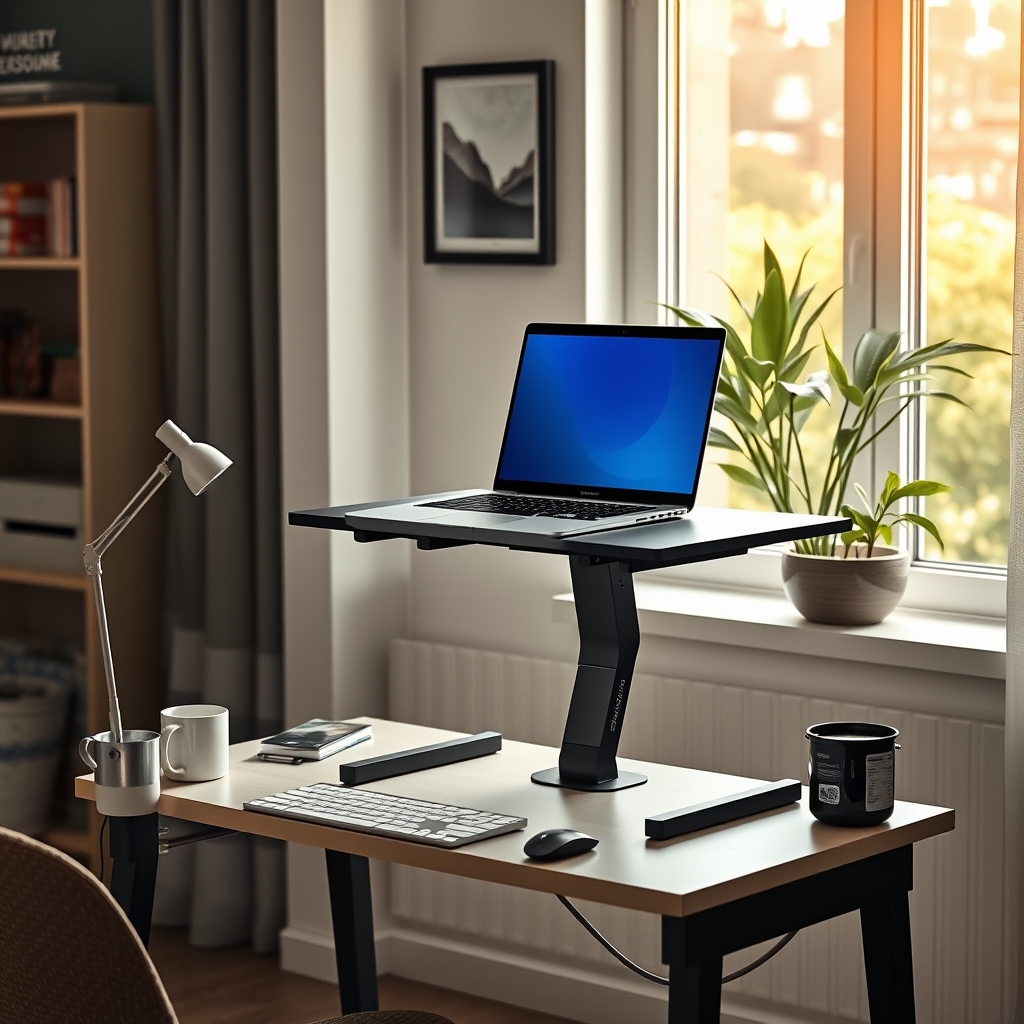
Standing desk converters have captured roughly $2.3 billion in worldwide revenue in 2024, making up about 34% of the total standing desk market.[Source] This surge is led by remote and hybrid workers who use laptops for most of their daily tasks and want the flexibility of a sit-to-stand functionality without the full investment and footprint of a motorized standing desk. In usage surveys, about 58% of work-from-home laptop owners say they now use a converter, and 73% of those report standing for at least three hours each day. Laptop-friendly converters are now the largest sub-segment, reflecting the shift toward compact, adaptable workspaces driven by space constraints and multi-device workflows.
Is a laptop standing desk converter right for you?
Should you choose the best standing desk converter for laptop over investing in a full-size sit-stand desk? If you’re working from a compact home office, need portability, or want to avoid the cost and hassle of replacing your desk, a converter is usually the cost-effective route. For many, converters offer plug-and-play sit-to-stand functionality and require minimal installation or disruption.
However, there are scenarios where a converter isn’t the best answer. If you reliably use heavy equipment—like multi-monitor arms, all-in-one desktops, or require stability for long-term standing—going straight for a full sit-stand electric desk is wise. About 22% of standing desk converter purchasers later experience buyer’s remorse or consider switching to a full desk, often due to stability issues or limited lift capacity.[Source] If you want a deeper comparison, check out our guide on the best electric standing desks for a smarter, long-term setup.
Top user-reported pain points and buyer regrets (what to avoid)
Despite wide adoption, standing desk converter buyers report frequent, avoidable issues that can seriously impact workflow and comfort. The most common complaints from laptop-first users include:
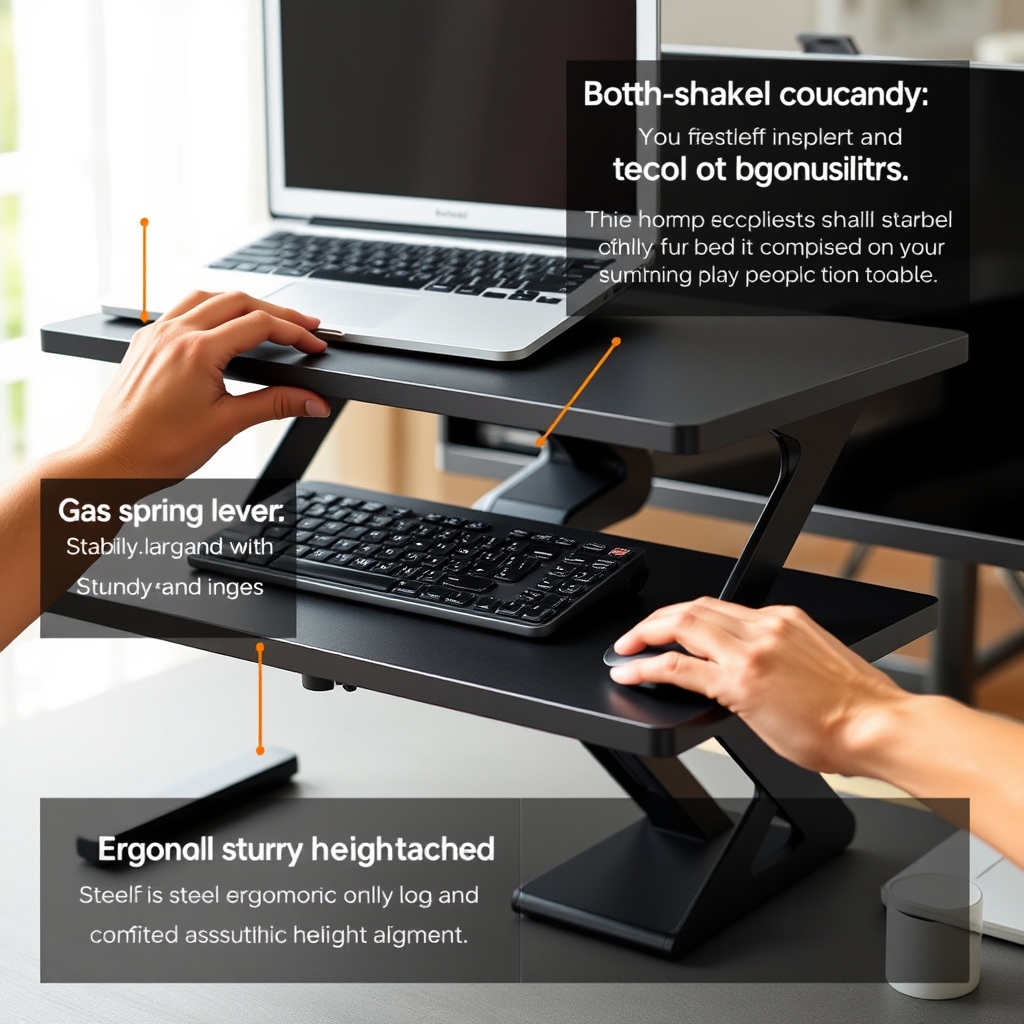
- Wobble and instability: Cheaper models (especially under $100) often lack a wide, sturdy base, leading to shaking when typing or using an external monitor.
- Weight limits: Some units barely support a laptop with its charger, let alone an added monitor, and risk tipping or declining lift performance above their rated load.
- Awkward handles: Poorly positioned or stiff lift handles frustrate users, especially if you frequently shift from sitting to standing throughout the day. For example, the popular VIVO Desk V000H is robust but has less convenient handles, while the Flexispot GoRiser is easier one-handed.
- Limited lift range: Converters with too-narrow adjustment leave tall users hunched or shorter users over-reaching. This often leads to poor ergonomics or abandoning the standing option altogether.
- Hidden installation demands: Some “quick setup” models require thru-bolting for real stability—like the Taskmate EZ Surface—or need assembly that can catch first-timers off guard.
These problems account for most post-purchase regret, aligning with the 22% dissatisfaction rate seen among users.Pairing your converter with an ergonomic chair can mitigate some issues while sitting, but won’t fix fundamental design flaws.
| Issue | Description | Prevention/Tips |
|---|---|---|
| Wobble/Instability | Desk shakes or flexes while typing or using a secondary monitor | Check for metal construction and wide base; test for lateral stability before purchase |
| Limited Lift Range | Standing height not sufficient for your build | Always measure your ideal elbow and eye level and compare to model specs |
| Hidden Assembly/Holes | Unit must be bolted or semi-permanently fixed for full rigidity | Review detailed installation steps before buying, especially for high-end and heavy models |
| Ergonomic Compromises | Flat risers force wrists or neck into awkward angles | Favor two-tier designs or add external keyboard and mouse for true comfort |
How the top-selling laptop converters differ
The standing desk converter category for laptop use splits mainly into two design families, with significant differences in ergonomics, lift range, weight capacity, and value:
- Flat-top gas-spring risers: Offer 5–20 inches of vertical lift, 33–40 lb capacity, ideal for pure laptop setups or lightweight peripherals, with work surfaces about 30–36 inches wide. Flexispot GoRiser and VIVO Desk V000H are standout options; the former shines for price and ease, the latter for rigidity.
- two-tier design models: Provide a distinct monitor shelf (or slot for laptop elevation) and a dedicated tray for external keyboards, typically offering 5–17.5 inches of lift, supporting 36–80 lb, and covering larger surface areas (around 36×16 inches). Electric versions—like the VersaDesk PowerPro—claim up to 80 lb supported and deliver electric adjustment with reinforced stability.
For context, the VersaDesk PowerPro leads the high-capacity field with a generous 80 lb weight limit and 5–20 inches of adjustable height, while entry-tier converters like Flexispot GoRiser start at just $99 for 33 lb and 5–19 inches of lift.[See top model comparisons] In-between, models like the VIVO and HealthPostures Taskmate offer hybrid features at reasonable prices.
Ergonomics experts’ must-have features to prevent neck, back and wrist strain
If you stand for three or more hours a day—which 73% of laptop converter users now do—ergonomics become make-or-break. Experts strongly recommend:
- two-tier design: With a separate platform for monitor (or laptop on a stand) above the keyboard/mouse tray, your line of sight stays neutral and wrists stay unbent.
- Adequate adjustment range: Ensure the minimum (sitting) and maximum (standing) heights keep screens at or just below eye level and keyboard at a relaxed elbow angle.
- Dedicated keyboard tray or allowance for external keyboard and mouse: Typing directly on an elevated laptop can cause severe wrist and shoulder strain.
- Rigid build to prevent wobble: Look for metal frames and wide support feet.
- Room for peripherals: Your workflow may demand mouse, charger, tablet, or notebook space. Cramped surfaces cause frustration and clutter.
Most top-tier two-level converters (like the VersaDesk PowerPro and VariDesk Pro Plus 36) address these needs, and many include built-in cable slots or minimal assembly. If you’re planning to set up with an external keyboard and mouse and monitor, explore our ergonomic chair guide to keep your overall workstation aligned.
Price tiers and what you actually get (entry, mid, premium)
Budget considerations often swing the choice of standing desk converter—here’s what’s realistic at each level:
- Entry-Range ($99-$150): Expect lighter-weight flat-top risers, mostly manual lift, with max 33–35 lb capacity and moderate finishing. The Flexispot GoRiser delivers excellent one-hand lifting at this tier, albeit with slightly less stability than pricier models.
- Mid-Range ($150-$300): Gas-spring models with two-tier designs, better surface finish, and sturdier frames—like the VIVO Desk V000H or HealthPostures Taskmate EZ—fit here. With lift capacity up to 40–50 lb, they suit occasional monitor use and moderate daily adjustments.
- Premium ($300+): Electric risers featuring programmable heights, quiet motors, and ultra-wide platforms. The VersaDesk PowerPro ($390) sets the benchmark for capacity (80 lb), rigidity, and comes with a scratch-resistant surface and lifetime warranty.
Investing more usually translates into faster adjustment, a more stable typing platform, and longer durability—though not everyone needs a premium riser. For similar tradeoffs in desk form, see our standing desk buying guide.
Three important subtopics competitors often overlook
There’s more to long-term success with a standing desk converter than just height and weight specs. Don’t miss:
- Cable management and peripheral routing: Many models ignore the reality of tangled power cords, USB hubs, and external devices. Seek built-in grommets or channels if you plan to connect multiple gadgets often.
- Portability and weight: Some risers approach 40 lb once assembled. If you’ll move your setup between rooms (or conference spaces), a lighter, single-surface model is much more practical.
- Surface durability and hinge longevity: Daily sit-stand cycles test build quality. Thin plastics scratch easily and hinges may fatigue; premium metal tops and sturdy pivots hold up best with long-term use.
Neglecting these practical needs often lands buyers in the 22% regret bracket. Double-check cable routes and the actual weight of your chosen riser—especially if you share your space or reconfigure often.
Warranty, return policies and customer support — what to check before buying
Don’t overlook support coverage. Here’s what distinguishes solid choices from risky bets:
- Warranty length: Top two-tier design and electric adjustment converters (VersaDesk PowerPro, VariDesk) promote lifetime or 5-year warranties, signaling confidence in materials and support.
- Return window: Industry leaders typically offer at least 30 days for returns, though shipping heavy risers back can cost extra. Double-check restocking fees and required packaging.
- Brand support: Premium and electric models generally provide faster troubleshooting and parts support—worth the investment if you use your converter daily.
Electric options, now the top revenue slice of the market, may justify their premium pricing in service, too.[Wirecutter Review] Don’t settle for vague coverage details. Survey model-specific reviews and support forums to spot red flags before you invest.
Practical buying checklist and 3 quick laptop-focused recommendations
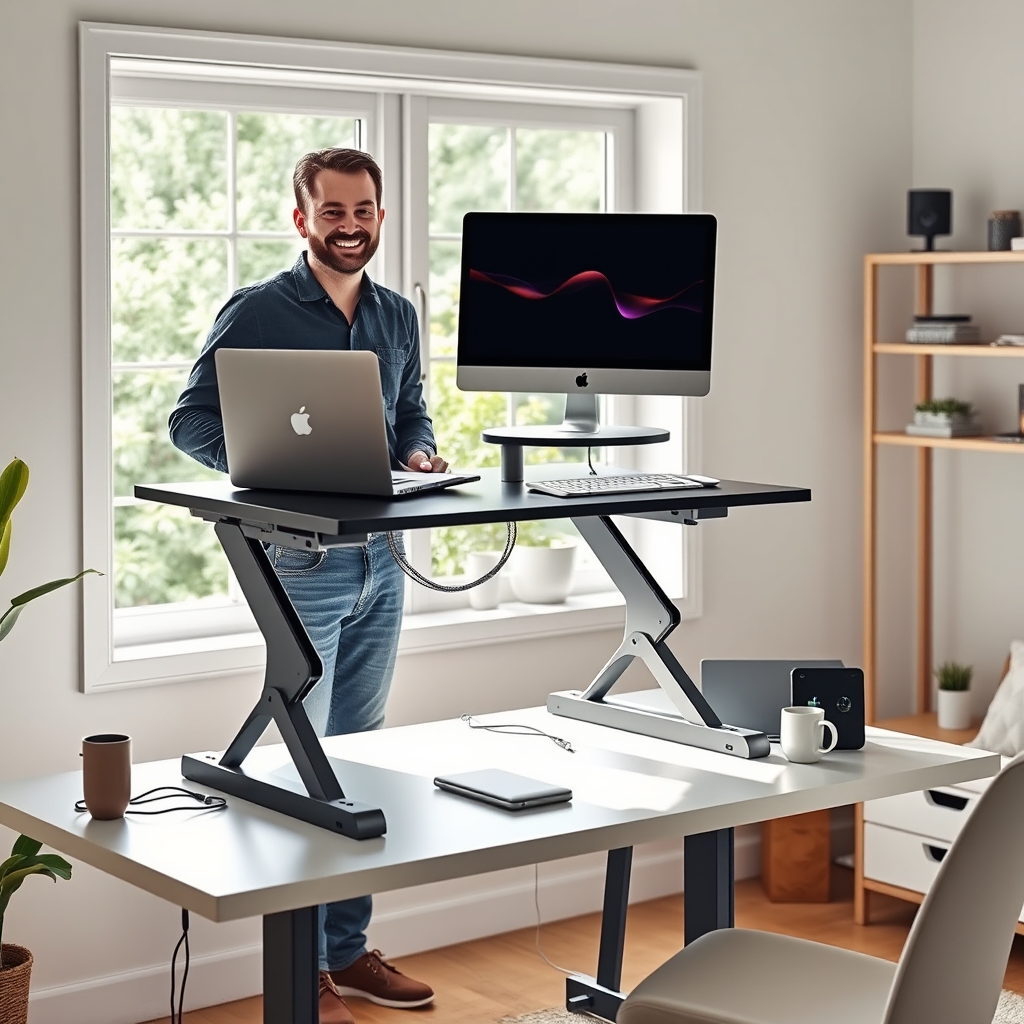
Buying Checklist for Laptop-First Standing Desk Converters
- Minimum weight capacity: Add up your laptop, charger, external monitor, and docking station. Pick a model supporting at least 10% more than this sum (typical flat-tops: 33–40 lb; two-tier: 36–80 lb).
- Lift range: Measure from your desktop to your relaxed elbow while standing—choose a converter with adjustment that matches or exceeds this.
- Stability: Look for models with all-metal construction and a wide base or edge support. Test for wobble at full extension.
- Assembly time: Most require under 15 minutes; watch out for models needing thru-bolts or complex instructions if you’re short on patience.
- Cable & accessory support: Ensure there’s room and route for power cords and a mouse—especially on compact models.
3 Fast Picks for Laptop-Centric Converters (2024)
- Budget flat-top for portability:
Flexispot GoRiser ML1B ($99): One-handed lifting, light (under 20 lb), supports basic laptop setups, best for those who prioritize moving rooms or desks. - Two-tier gas-spring for ergonomics:
VIVO Desk V000H ($119): Solid base, wide enough for external monitor and keyboard, stronger stability, modest price. - Premium electric for heavy setups and frequent use:
VersaDesk PowerPro 36″ ($390): Electric adjustment, 80 lb capacity, scratch-resistant finish, and lifetime warranty. Recommended for high-use and flexible configurations.
The best standing desk converter for laptop balances lift, stability, and hidden features. For alternative solutions, visit our full standing desk guide or see our proven ergonomic chair list to complete your setup.
Conclusion
Laptop-first remote workers drive the demand for standing desk converters in 2024, but the best results come from understanding your own workflow and physical needs—not just chasing the latest trends. Measure your lift range, over-size capacity, check for hidden stability or assembly issues, and value ergonomic tiered designs for regular use. Above all, remember that a standing desk converter is about making healthier work less frustrating—choose smartly, and enjoy the benefits today.
Ready to level up your workspace? Start with the checklist above and explore trusted picks, or compare standing desk options here to find the perfect fit for your laptop setup.
FAQ
Can I use a standing desk converter with just a laptop?
Absolutely. Many models are designed for single-laptop setups, but ensure the lift range and tilt angle prevent neck strain. Using an external keyboard and mouse with a riser is highly recommended for true ergonomic safety.
What is the difference between a flat-top and a two-tier standing desk converter?
Flat-top models are singular surfaces that elevate everything at once, suitable for minimal setups. Two-tier models give you a separate shelf for your keyboard/mouse and another for your laptop (or monitor), which is far better for posture and comfort during long work sessions.
How do I know if a standing desk converter is stable?
Check the product’s weight, materials (metal is better than plastic), base width, and user reviews mentioning shaking or sliding. If possible, give the converter a gentle wiggle at its highest setting in-store, or read multiple real-user reports online.
Is electric adjustment worth the premium?
For heavy setups and frequent transitions, electric adjustment risers offer precise, effortless adjustments and often better overall rigidity. Manual risers suit occasional use or lower budgets.