

Noise cancelling headphones have become an essential productivity tool for home office professionals in 2024, not just a luxury. With hours of video calls and focus sessions each day, choosing the right adaptive ANC strength headset can make or break your comfort, call clarity, and daily output.
Key Takeaways
- Over-ear noise cancelling headphones now hold about 45% of the global market, a sector worth roughly USD 12.6 billion in 2024 and projected to surge to USD 39–40 billion by 2033.
- For home office use, prioritize adaptive ANC strength, all-day comfort, reliable multipoint connectivity, and pro-grade microphone quality—not just specs or brand status.
- Real testing—comfort, mic clarity, ANC in real-world noise, and seamless device switching—matters far more than marketing claims. Use a checklist before buying or deploying to a team.
- Market snapshot — why noise cancelling headphones matter for home office in 2024
- Why ANC is different for the home office (what to expect it will and won’t block)
- Top real user pain points in home-office use
- The technical specs that matter most for a home-office professional
- Real-world price tiers and what you get at each level
- Quick brand/model reference for home-office use
- Unique home-office needs competitors often miss
- Top 3 sub-topics leading competitors fail to address
- How manufacturers are responding in 2024 — what to expect next
- Practical buying and in-office testing checklist
- Conclusion
- FAQ
Market snapshot — why noise cancelling headphones matter for home office in 2024
In 2024, the global noise cancelling headphones market is valued at approximately USD 12.6 billion—over-ear models alone account for around USD 5 billion. As remote and hybrid work continues to reshape how professionals communicate and focus at home, the sector is forecasted to balloon to about USD 39–40 billion by 2033 thanks to a steady annual growth rate of 12–14%. Over-ear ANC units now command roughly 45% of total market share, indicating that investing in pro-grade ANC for the home office has moved from niche to mainstream.
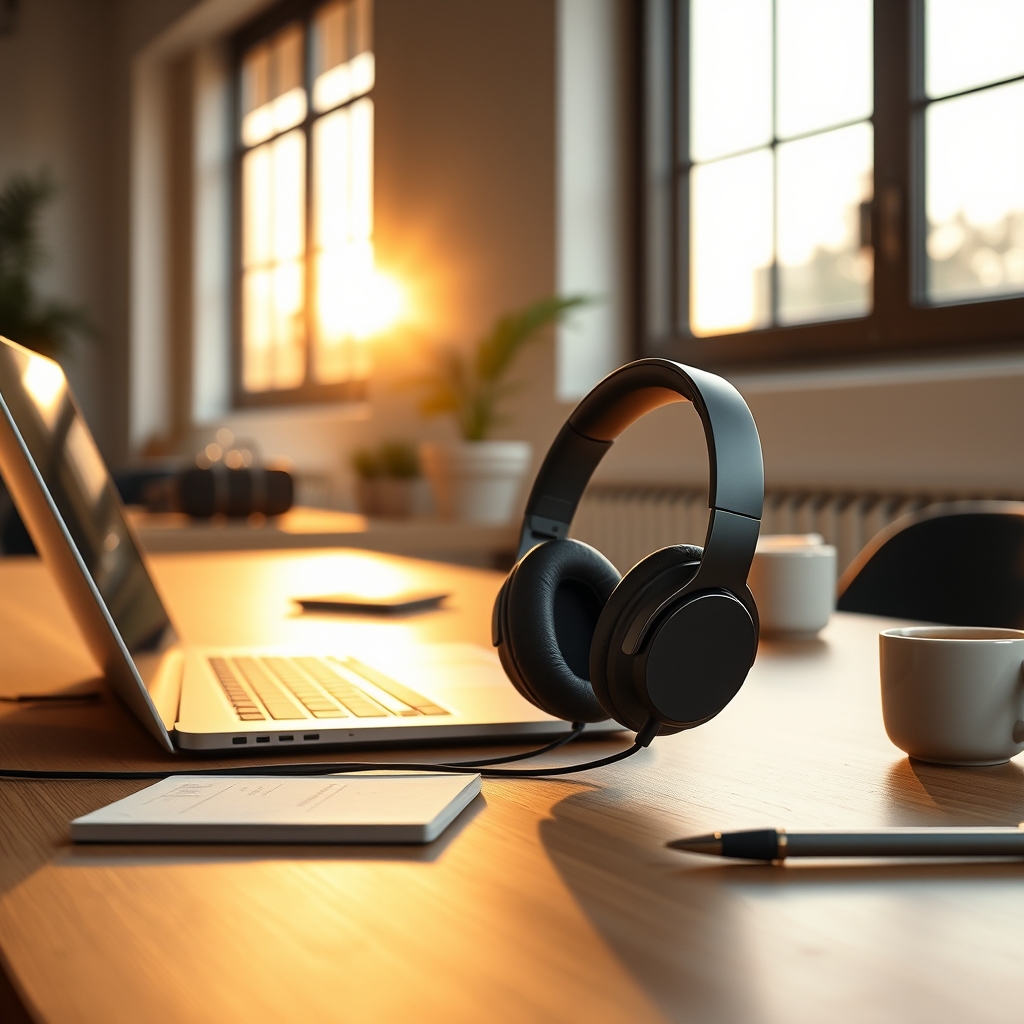
Enhanced call clarity, focus in noisy or open-plan homes, and workplace flexibility mean more professionals are seeking advanced ANC—not just for music but as a core work tool. This trend is reinforced by the rise in mid-to-premium product offerings and massive R&D efforts to solve remote work annoyances.
Why ANC is different for the home office (what to expect it will and won’t block)
When searching for the best noise cancelling headphones for home office, it’s vital to set your expectations based on how ANC behaves against typical home sounds. Active Noise Cancelling excels at neutralizing steady, low-frequency noises—like HVAC hum, gentle street traffic, or appliance buzz. However, even the best models struggle to fully erase sharp interruptions (doorbells, barking, keyboard clicks) and close human voices—though 2024’s top headphones do now tune algorithms to reduce human voice energy better than ever before.
Leading 2024 models with hybrid/adaptive ANC routinely achieve 20–25 dB of active reduction and in premium versions can better suppress background voices—ideal for professionals in noisy homes with kids or roommates. However, don’t expect ANC to fully mute all interruptions. Pairing headphones with basic room sound-proofing (thick rug, door draft stopper) multiplies their real-world effectiveness.
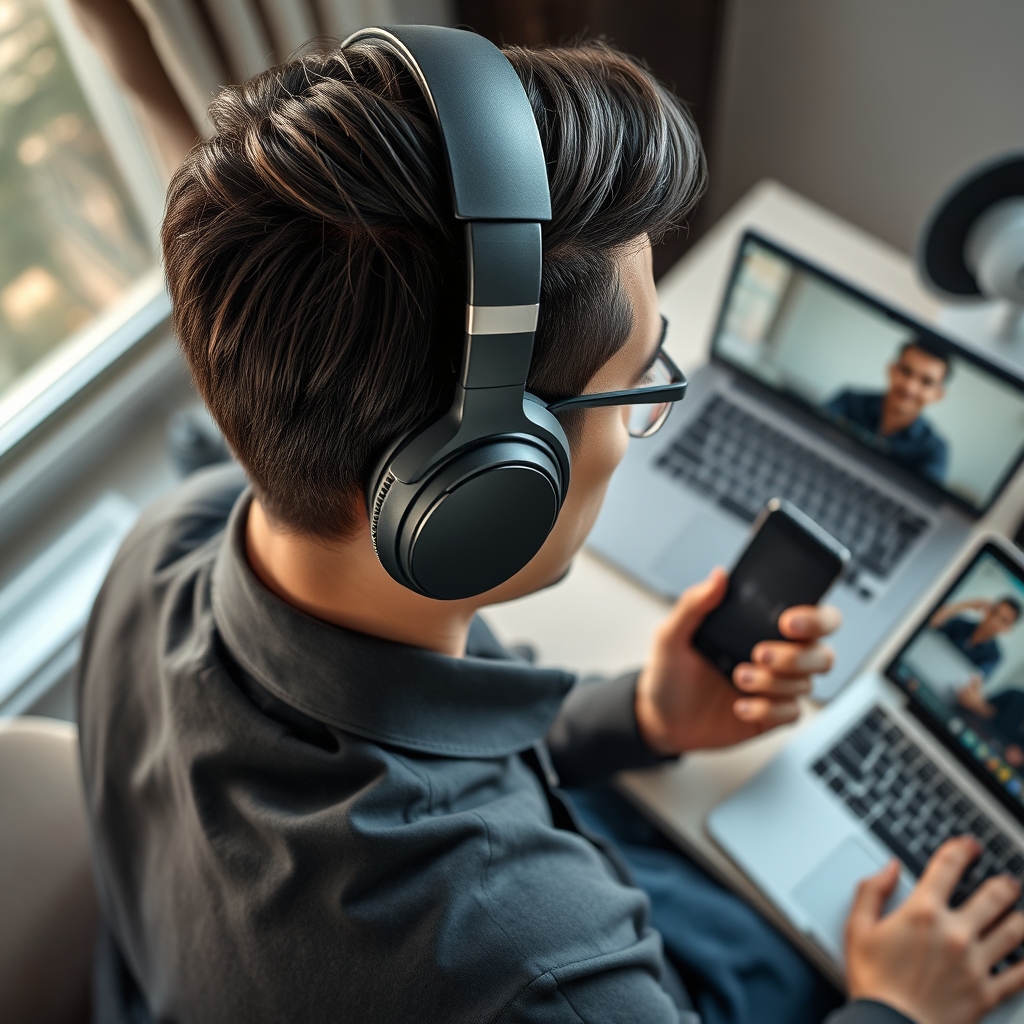
If you work in an environment with unpredictable noise, prioritize headphones that allow fast toggling between ANC and transparency without lag or awkward button presses—this helps you stay responsive when the doorbell or family conversations happen mid-call.
Top real user pain points in home-office use
After analyzing hundreds of real reviews and complaints on modern noise cancelling headphones, a few pain points come up consistently—especially for all-day home office use:
- Comfort and Heat: Pressure-induced discomfort from clamping force and headband design, and heat buildup around the ears during long sessions—especially in over-ear styles.
- Bluetooth/Multipoint Instability: Users report inconsistent pairing, lag, or range issues, particularly with multipoint connections (switching between laptop, tablet, and phone isn’t always smooth).
- Microphone Performance: Many models struggle with background noise leaking onto calls, picking up ambient sounds, and missing syllables or making your voice sound distant/echoed.
These issues can directly impact productivity: discomfort or heat leads to “headphone fatigue,” missed syllables hurt call professionalism, and dropped connections or clumsy device switching delays meetings. Frequent complaints cite the need to remove headphones after 1-2 hours or deal with “hot spots” where the headband presses.
Most professionals should avoid models with heavy weights (over 300g) and seek memory foam or mesh fabrics for ear cushions. If you wear glasses, test for ear cup compatibility and clamping pressure before committing.
| Pain Point | User Impact | Actionable Solution |
|---|---|---|
| Clamping Pressure, Heat | Discomfort, “hot spots,” shorter wear time | Look for ergonomic headbands, memory foam earpads, lighter weights |
| Multipoint/Bluetooth Instability | Interrupted calls, lag when switching devices | Check Bluetooth version (5.2+), real-world device switching tests |
| Mic Quality, Noise Leak | Echo, participant complaints. | Prioritize beamforming mics and tested call quality in noisy rooms |
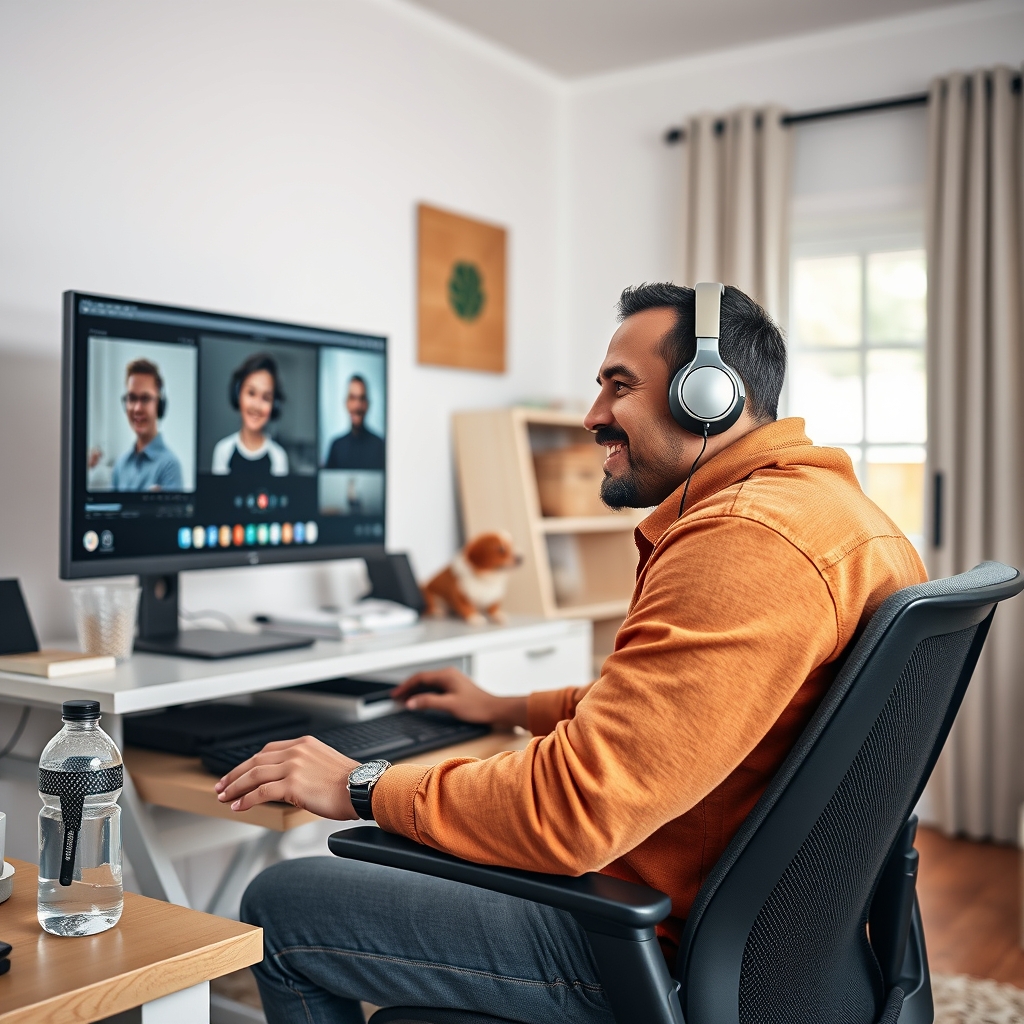
Bonus: Some users try pairing their noise cancelling headphones with an ergonomic office chair or standing desk converter to boost comfort for long sessions. Mixing supportive seating with all-day-wearable headphones can decrease fatigue over multi-hour calls.
The technical specs that matter most for a home-office professional
Not all specs are created equal for home office buyers. The specs below deserve your attention when hunting for best noise cancelling headphones for home office work:
- ANC Reduction (dB): Top adaptive/hybrid ANC models deliver 20–25 dB of reduction. Accept no less than this for true home-office value.
- Battery Life ANC-On: Flagship models offer 20–25 hours. Ultra-premium cross 30–40 hours in total playback.
- Fast-Charge: Look for fast charging that gives 5+ hours from 15 minutes on the charger—a true lifesaver for travel or back-to-back calls.
- Bluetooth Version & Codecs: Bluetooth 5.2 or 5.3 is a must, preferably with LDAC or aptX Adaptive for cleaner audio and stable connections.
- Multipoint Pairing: Seamless switching between workstation, laptop, and phone is now table stakes. Test in real scenarios before committing.
- Microphone Type & Noise Reduction: Beamforming multi-mic arrays outperform basic mics. Some models now offer AI-powered noise suppression for calls.
- Transparency/Aware Modes: Essential for quickly hearing your environment without taking off headphones.
- Weight & Clamping Force: Lighter is better for 4–10 hour days. For 8+ hour wear, prioritize headsets under 300g and earpads that ventilate (mesh or memory foam).
Example flagship specs for 2024: 30–40 hours playback (20–25 ANC-on), fast charge (5 hours from a 15-minute charge), Bluetooth 5.2/5.3 (LDAC/aptX Adaptive), and hybrid/adaptive ANC (~20–25 dB reduction). Source
Real-world price tiers and what you get at each level (practical expectations)
The 2024 market, now worth about USD 12.6B and rising fast, means you’ll find choices at every price. Here’s what to expect at each tier for home office work:
- Budget ($70–$120): Basic ANC, stiffer clamping, shorter battery life (~15–20hr), limited multipoint, mics only fair for calls. Examples: Soundcore Life Q30, JBL Tune 760NC.
- Mid-range ($150–$250): Improved comfort (softer earpads, lighter frame), more reliable Bluetooth, battery 20–30hr ANC-on, decent multipoint, better mics, usually hybrid ANC. Example: Sennheiser Accentum, Sony WH-CH720N.
- Premium ($300–$450+): Class-leading ANC and transparent modes, ultra-soft earpads, 20–30hr battery (quick charge), Bluetooth 5.2/5.3, smart app controls, near flawless multipoint, AI beamforming mics. Examples: Bose QuietComfort Ultra, Sony WH-1000XM5, Apple AirPods Max (check weight/comfort).
Note: Always verify latest models and prices—some brands release annual firmware updates or hardware upgrades that improve features or fix flaws. (Prices sampled as of June 2024.)
For a more holistic upgrade, pair your audio investment with an ergonomic monitor arm or blue light glasses to complete your home office setup.
Quick brand/model reference for home-office use
Here are five proven picks for home office pros—each excels in a different work scenario:
- Bose QuietComfort Ultra: Unmatched comfort and ANC performance, CustomTune ear profiling, Bluetooth 5.3, 24hr battery. Excels at muting human voices and remains comfortable for 8+ hour sessions. Details
- Sony WH-1000XM5: Class-leading adaptive ANC, Precise Voice Pickup for calls, 30hr battery, app-customizable sound, hybrid ANC, Bluetooth 5.2. Best for switching between focus work and calls.
- Apple AirPods Max: Premium build, excellent transparency, good ANC, heavier fit (~385g). Great for call clarity, but some find comfort lacking for all-day wear.
- Sennheiser Accentum: Outstanding value in mid-range, long battery (~50hr), reliable ANC, comfortable fit for medium-length sessions.
- Jabra Evolve2 85: Pro-level for IT teams: boom mic, certified for Teams/Zoom, strong ANC, super clear in conference use—ideal for distributed teams.
For deep-dive reviews on these and more, check resources like Audiophile ON’s in-depth guide and RTINGS office headphone lab tests.
Unique home-office needs competitors often miss
Most review articles skip the hardest problems faced by real home office pros. Here’s what top competitor picks often miss when recommending the best noise cancelling headphones for home office:
- Microphone performance in small rooms: Some headphones work great in open environments but amplify echo or reverb in small, hard-walled rooms. Always test how your voice sounds on real calls from your own workspace before buying in bulk for a team.
- Seamless multi-device switching: Even 2024 models with multipoint can stumble when paired to both a phone and work laptop—look for models with truly instant switching and auto pause/resume functions. Multipoint pairing is a frequent, unresolved user complaint (discussion example).
- Long-term comfort for 8+ hour days: Models with overly tight clamping or poor venting cause heat buildup—seek lighter weights, softer earpads, and pressure-distributing headbands if you wear headphones for full shifts.
- Workflow integration: Pro features like hot-mute, app-controlled EQ, and one-touch call switching mapped to platforms (Zoom, Teams) can make or break productivity for power users and IT leads.
Key takeaway: Always test multipoint and mic quality as part of your pre-purchase checklist.
Top 3 sub-topics leading competitors fail to address
- Long-term Durability & Maintenance: Headset cushions and headbands degrade with sweat and daily use. Choose brands that sell replaceable pads and headbands, and plan for a replacement schedule every 6–12 months if using daily.
- Ear Health & Prolonged ANC Use: Wearing heavy ANC for hours can cause ear pressure or the “occlusion effect.” To stay comfortable, alternate between ANC and transparency mode and give your ears breaks every 2–3 hours.
- Productivity Workflow & IT Deployment: Look for headsets that offer device profiles for different meeting apps, IT deployment tools (fleet management, firmware pushes), and compatibility with your company’s preferred platforms. For more tips, see our USB-C docking station guide.
How manufacturers are responding in 2024 — what to expect next
Top brands are re-engineering products for today’s remote workflow needs. You’ll see widespread adoption of Bluetooth 5.2/5.3, smarter multipoint and instant device switching, hybrid/adaptive ANC, and fast charging (5 hours of use from a 15-minute charge). Weight and ergonomics are improving with lighter materials and modular, replaceable parts to increase sustainability.
Major manufacturers are also tuning ANC algorithms and beamforming microphones specifically for human speech clarity in cluttered home environments—not just air travel. Expect even smarter “auto-mute,” app integrations for workflow, and firmware updates that refine call handling.
Practical buying and in-office testing checklist
- Comfort Test: Wear for at least 1 hour, check for pressure points, excessive heat, and glasses compatibility.
- Mic Quality: Make a real call in your home office (with typical ambient noise), and listen to the recording or ask for honest feedback.
- ANC Test: Toggle ANC on/off with ongoing appliances or distant voices, note effectiveness and “ear pressure.”
- Multipoint Switching: Actively switch connections between your computer, phone, or tablet while on a call; check for lag or dropped audio.
- Battery/Fast Charge: Test a short recharge—verify claimed durations for both ANC-on and standby.
- Firmware/App Features: Update to the latest version and test one-touch mute, EQ, and custom profiles for meetings.
For IT/procurement: Always check return/try policies. Deploy a small test batch to key users before rolling out bulk purchases. Document and compare user-reported comfort and connection consistency. The most common frustrators—room-specific connectivity and sub-par mics—are easiest to find in real workflow trials.
Don’t overlook the broader workplace context—ergonomics and audio both impact daily output. Explore complementary upgrades like desk mats and lumbar support pillows for a true productivity setup.
Conclusion
For home office pros, the right noise cancelling headphones are about more than specs—they directly shape your comfort, focus, call clarity, and workflow. Prioritize adaptive ANC strength, verified call quality, seamless multipoint, long-wear comfort, and fast, reliable battery performance from your shortlist.
As the market surges (USD 12.6B in 2024, headed toward USD 39–40B by 2033), make your investment wisely: use our checklist, test in your own space, and explore our curated picks for the best noise cancelling headphones tailored for real workflows.
Ready to buy smarter? Review real-world picks above and try our step-by-step testing checklist before every purchase or team deployment.
FAQ
What’s the difference between passive and active noise cancelling headphones?
Passive noise cancelling headphones use physical barriers (like thick ear cups) to block noise, while active noise cancelling employs microphones and electronics to neutralize background sounds with anti-noise signals. ANC is more effective for continuous, low-frequency noise.
How do I know if a model is comfortable for all-day wear?
Check for weights under 300 grams, soft memory foam or mesh earpads, and adjustable headbands. Always wear test for at least an hour—pay attention to heat buildup and pressure on the top of your head or ears.
Does ANC block out all voices and sudden noises in a home office?
No. Even top adaptive ANC headphones mainly target steady, low-frequency noise like HVAC or distant traffic. Some can partially reduce voices, but abrupt noises, close human speech, and sharp claps often get through. Combine headphones with sound-dampening in your room for the best results.
Are expensive premium models really worth it for remote work?
Often, yes—if you spend 4+ hours on calls or in focus sessions, premium models offer superior comfort, better mic performance, seamless device switching, and more reliable multipoint connections. But test real-world fit and mic quality before buying or deploying to a team.
How can IT teams deploy headsets for a distributed workforce?
Order small test batches first, check for user comfort and connectivity in various home environments, use models with replaceable cushions, and deploy with firmware/app management tools for updates. Always confirm return policies in case of mass discomfort issues.