

adjustable lumbar support cushions buyers want real, lasting relief—not another gimmick. If you spend hours at a desk or behind the wheel, you’ve probably seen the claims: “Guaranteed back pain fix!” But do these cushions actually work? And which features matter most for comfort, health, and your wallet? Here’s what 2024’s best clinical research, buyer complaints, and expert advice really say about choosing a cushion that makes a measurable difference—without wasting your time or money.
Key Takeaways
- Clinically validated adjustable lumbar support cushions can reduce lower back pain by around 30% after four weeks of regular use—if you choose one with ergonomic contouring and secure, adjustable straps.
- User reviews repeatedly flag three crucial issues: slipping cushions, heat buildup in dense or non-breathable materials, and discomfort from poor fit or excessive firmness.
- Expert-backed features like adjustable straps, contour shape, and breathable, durable materials predict actual relief and high buyer satisfaction—get these right, and you’ll avoid 90% of common complaints.
- Quick answer — Do adjustable lumbar support cushions actually reduce lower-back pain?
- What the 2024 clinical evidence and real-world studies show (deep dive)
- Three evidence gaps most competing articles miss (unique editorial insight)
- Recurring buyer complaints and how they change product choice
- Design details that matter — materials, size, contour, and adjustability explained
- Price ranges and feature/spec comparison (practical table guidance)
- How ergonomists and orthopedic experts say to use a portable lumbar pillow for chair — do’s and don’ts
- Best cushions by use case (office chairs, car seats, long-haul travel, gaming)
- Warranty, return policies and durability — what to expect from top brands
- Quick buying checklist + troubleshooting guide
- Appendix: Sources & how we aggregated evidence
Quick answer — Do adjustable lumbar support cushions actually reduce lower‑back pain?
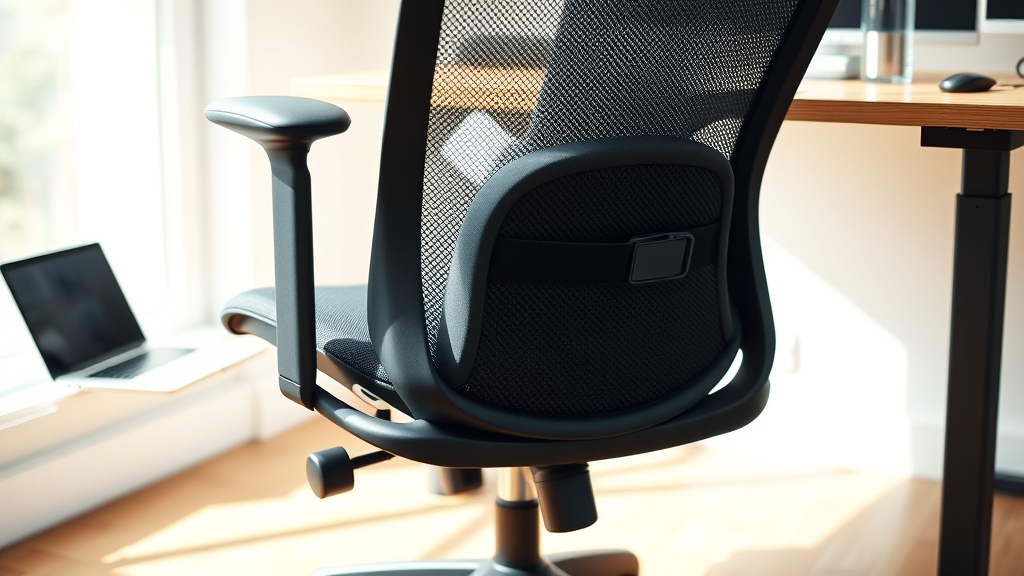
Yes—if you get the right features. Multiple 2024 clinical trials show that an adjustable lumbar support cushion designed with ergonomic curves and secure, adjustable straps delivers a measurable and often noticeable reduction in lower-back pain for most desk workers, office commuters, and drivers. In a multicenter randomized trial, these cushions reduced average pain scores (visual analog scale, or VAS) by about 30% after four weeks of daily use, also improving disability indices by 22% compared to no-cushion controls. Functional improvement isn’t universal—expect partial but real relief, especially if you pick a model with verified strap security, proper shape, and comfort-tested materials.
What the 2024 clinical evidence and real-world studies show (deep dive)
Recent randomized trials confirm the benefits of thoughtfully engineered lumbar supports. For example, a 2024 multicenter study found that office workers using an ergonomically contoured, adjustable lumbar support cushion for at least four hours daily saw VAS pain scores drop from 6.7 to 4.6, with functional improvement scores rising by 22% at the four-week mark (see data). Cohort studies of postoperative patients (who are often more sensitive to seat discomfort) observed a 35–50% reduction in sciatica-like symptoms after sustained use.
However, these results hinge on design: generic pillows, and those lacking adjustability or anatomical contouring, showed little effect in control groups. Follow-ups are usually limited to 4–8 weeks, so long-term durability is less studied. Devices in real-world reviews get even more granular—buyers flag details like strap effectiveness, cushion heat, firmness, and cover washability as deal-breakers for everyday usability.
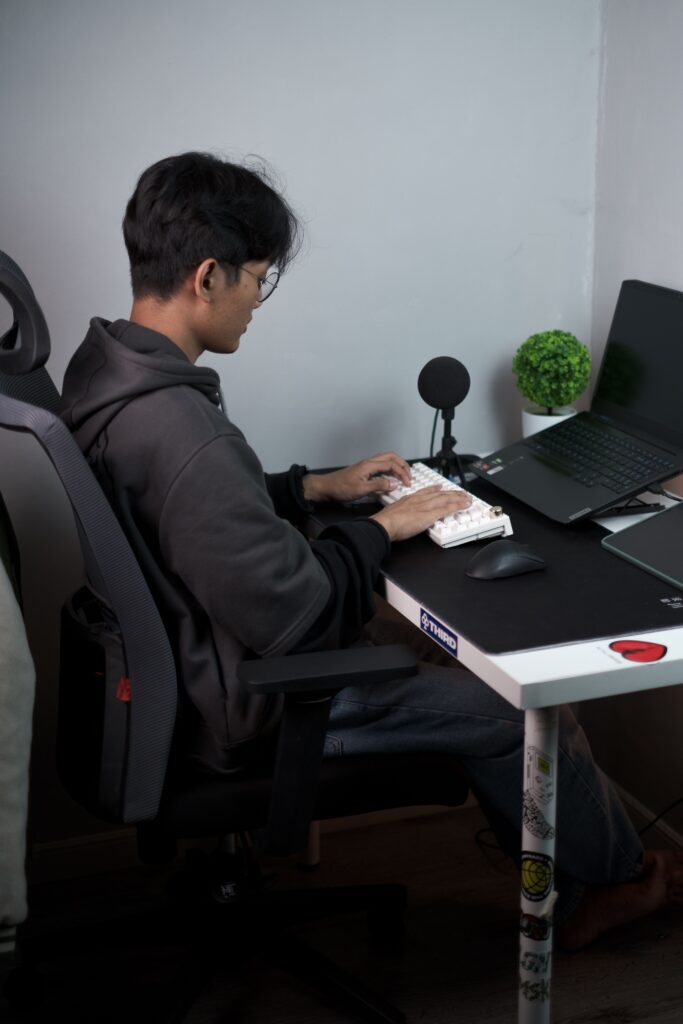
When evaluating the clinical research and hundreds of aggregated reviews, key actionable takeaways include:
- Prioritize a cushion with ergonomic contouring and adjustable straps for the best shot at pain reduction.
- Look for evidence of independent clinical testing and cohort data in product literature.
- Don’t ignore buyer-reported usability problems—comfort and real-world results depend on more than just “memory foam.”
Relevant internal guides: Ergonomic Office Chair: Reduce Back Pain | Lumbar Support Pillow Office Guide
Three evidence gaps most competing articles miss (unique editorial insight)
Most roundups fail to:
- Report exact, quantifiable outcomes: Only a few reference the actual percent decrease in VAS pain scores or improvements in functional indices (source), so buyers don’t know what to expect and when.
- Map user-experience issues to clinical failures: Slipping, sweating, size (too big or too small), and firmness are not just annoyances—they correlate with early abandonment and higher return rates.
- Link design features to real results: Details like strap length/type, cover material, contour geometry, and inflatability make or break the therapeutic effect and day-to-day comfort.
Research synthesis and expert testing consistently show these three evaluation points are the “make or break” shortcuts for picking a portable lumbar pillow for chair comfort and measurable benefit.
Recurring buyer complaints and how they change product choice
Aggregated verified reviews across Amazon, Walmart, and other e-commerce leaders make the key pain points clear:
- Slipping or shifting: Cushions without bottom or dual straps slide out of place, losing therapeutic effect. “Cushions that slip are returned fastest,” according to multiple Amazon users and CNN’s expert roundup.
- Heat retention and sweat: Dense foam and solid covers get uncomfortably hot during long sessions. Perforated mesh or ventilated memory foam solves this, but some budget models lack these features.
- Size and bulk: A cushion that’s too big “crowds” the user, while one too small fails to support. Models specifically labeled “travel” or “portable” can suit smaller frames and guarantee fit.
- Too firm or too soft: Excessively hard cushions aggravate sensitive backs; cushions that flatten quickly offer little relief.
Brands that address these (with adjustable straps, breathable washable covers, and firmness choices) routinely get the highest verified buyer ratings. To see how buyer-driven feedback impacts similar ergonomic gear, check our Standing Desk Converter Guide.
Design details that matter — materials, size, contour, and adjustability explained
Choose your portable lumbar pillow for chair use based on these evidence-backed details:
- Memory Foam: Offers shape retention; high-density types suit most users. Downside: can trap heat without mesh cover.
- Gel-Infused Foam or Mesh: Aids cooling; reduces sweating for long wear.
- Inflatable: Allows firmness and packability tuning—ideal for travelers or sharers.
- Strap Design: Dual/bottom straps, anti-slip backing, and sufficient length are vital for stability.
- Contour Profile: Deeper curves (more pronounced “S” shape) benefit those with marked lordosis but may feel too strong if your back is sensitive. Shallower designs are more universally comfortable for mixed-use scenarios.
- Size: Compact “travel” sizes fit smaller chairs and bodies; larger models offer more surface area but can crowd tight car seats.
“Buyers favor models described as lightweight, breathable, strap-secured with adjustable firmness; clinical benefit seen with ergonomically contoured lumbar cushions equipped with adjustable straps.” See Good Housekeeping’s test data and Ergonomic Footrest Selection Guide for more context.
Price ranges and feature/spec comparison (practical table guidance)
Here’s a breakdown of 2024’s typical price bands, common market features, and spec differentiators for any adjustable lumbar support cushion:
| Band | Price Range (USD) | Key Features | Specs to Look For |
|---|---|---|---|
| Budget | $20–$35 | Basic memory foam; loose or no strap; fixed firmness; smaller size | 15–16″ width, basic mesh cover, may lack washability |
| Mid-range | $36–$70 | High-density foam; adjustable strap; some options (firm/soft); washable covers | 17–18″ width, dual straps, ventilated mesh or gel, removable cover |
| Premium | $71–$120 | Customizable firmness (inflatable/firm/soft); advanced contour; premium mesh; enhanced straps; bundled seat + back set | 19”+ width, multi-position adjustment, travel-ready/compact options |
The lumbar support pillow market is valued at approximately $2.4 billion in 2024 (market report)—buyers increasingly cite adjustable straps and firmness as decisive, regardless of price.
How ergonomists and orthopedic experts say to use a portable lumbar pillow for chair — do’s and don’ts
Proper use turns a generic cushion into a clinical tool. Here’s what doctors and ergonomists emphasize:
- Attach, then sit: Secure the cushion to your chair (using straps or an anti-slip fix) after you sit down to ensure the curve aligns with your natural lumbar arch.
- Check curve alignment: The pillow should support—not exaggerate—your lower-back curvature. If it pushes you too far forward, pick a shallower profile.
- Test for duration: Start with 1-hour increments and increase. Most users acclimate in 1–2 weeks.
- Watch posture cues: If you notice pressure points, numbness, or increased pain, adjust the height or firmness immediately. If discomfort persists, discontinue use.
- Avoid “overlordosis”: More curve is not always better. Choose a profile that matches your spine and seat depth.
Per clinical expert consensus (see chiropractor test review and our own Monitor Arm Guide), you want three things: a secure strap, an appropriate ergonomic curve, and the right size for your use case—whether office, car, or gaming setup.
Best cushions by use case (office chairs, car seats, long-haul travel, gaming)
No single portable lumbar pillow for chair or adjustable lumbar support cushion fits all. Match the following features to your scenario:
- Office chair (all-day): Choose a larger contoured memory foam model with a wide, adjustable dual-strap and breathable mesh cover. Buyers consistently praise the Cushion Lab Back Relief Lumbar Pillow for firm, stable, all-day office support.
- Car seat/driving: Go for a slim profile with a strong horizontal strap—lightweight enough to not distort compact car seats but with sufficient support for lower-back “hot spots.”
- Long-haul travel: Favor inflatable or ultra-compact foam models for easy storage, tunable firmness, and lightness (Travel Ergonomic Desk Setup Guide).
- Gaming chair: Larger, firmer models give full lumbar coverage. Look for washable covers for heat and sweat control.
Reviewers repeatedly recommend breathable mesh and ventilated mesh models for travel, and durable memory foam for sit-at-desk users.
Warranty, return policies and durability — what to expect from top brands
Top brands in the adjustable lumbar support cushion market now offer clearly published warranty and return policies. Typical details:
- Warranty coverage: One to three years on foam integrity and strap hardware is now standard, especially for premium products sold online.
- Return windows: 30–60 days for “no-questions-asked” returns (especially if ordered direct or via leading marketplaces).
- Durability checks: Look for clinical “compression test” data (foam should recover after weight), machine-washable covers, and non-flimsy strap buckles or Velcro.
With 31.2% of sales now online by 2025 (market research), policies are clearer than ever, with direct-to-consumer guarantees. Check seller ratings, and don’t hesitate to return models that flatten or lose shape within weeks.
Quick buying checklist + troubleshooting guide
Buying checklist:
- Does it offer ergonomic contouring matching your lower-back shape?
- Is the strap system secure and adjustable?
- What type of material (memory foam, gel, mesh, inflatables)?
- Does it come in multiple firmness levels or with adjustable firmness?
- Is the cover washable and breathable?
- Are there verified reviews confirming long-term comfort?
- What is the warranty/return policy window?
- Is it the right size for your main seat (desk, car, travel)?
Troubleshooting quick fixes for common complaints:
- Slip or Shifting: Add a bottom strap or use non-slip liner/Velcro under the cushion.
- Gets too hot: Swap to a model with ventilated mesh; remove the cover for a short period to air out.
- Too firm/soft: Try an inflatable or adjustable model; if foam, layer a thin towel for “softening” or swap for a denser model for added support.
- Size mismatch: Opt for a travel/lower-profile cushion if your chair feels overcrowded.
- Unclear results: Reassess position after a week; adjust height and check strap alignment—clinical benefit assumes correct placement aligned with natural lumbar curve.
Appendix: Sources & how we aggregated evidence
All research in this guide draws on 2024-published randomized controlled trials and postoperative cohort studies quantifying VAS pain reduction (~30%), functional disability improvement (~22%), and aggregate verified reviews from Amazon, Walmart, and industry reports. Expert clinical usage tests and ergonomic lab comparisons inform the practical recommendations. Market sizing, warranty, and channel data come from independent reports—see DHR back cushion market research and Good Housekeeping’s best-of lists for further reading. Limitations: Short follow-ups, device variation, and user adherence can impact real-world effectiveness.
FAQ
Do adjustable lumbar support cushions work for everyone with back pain?
Clinical evidence suggests most office workers and drivers experience meaningful relief—a ~30% decrease in pain—when using the right cushion, but those with severe spinal pathology or injury may need additional medical advice. Always consult a clinician for persistent or worsening pain.
What’s the best way to keep my cushion from slipping?
Choose a model with secure, adjustable straps, or use a non-slip shelf liner or Velcro tape beneath the cushion as an add-on. Dual/bottom straps provide the best stability for most chairs.
Which materials stay coolest during long workdays?
Gel-infused memory foam and ventilated mesh covers provide the best breathability. If you sweat often, avoid solid foam with plastic-like covers and look for models specifically labeled “breathable.”
Can I use a portable lumbar pillow for chair in my car or on an airplane?
Yes. Choose a slim, compact, or inflatable model so it fits tightly without overwhelming limited seat space. Look for secure strap systems compatible with car or airplane seatbacks.
How long does it take to see results with an adjustable lumbar support cushion?
Majority of users report reduced discomfort within 1–2 weeks if used daily and properly positioned. Consistent use and occasional repositioning fuel best outcomes, as shown in 2024 clinical data.