

### Blog Post:
If distractions are wrecking your focus at home or in your shared workspace, investing in a desk privacy divider panel can be a game changer. But before you buy, it’s crucial to understand how acoustic panels really perform, what drives the price, and how to avoid common traps. Let’s cut through the marketing and help you make a realistic, data-driven decision.
Key Takeaways
- Acoustic desk privacy divider panels realistically reduce noise by only 2–6 dB in typical setups—not total silence, but a meaningful reduction in distractions.
- The most effective panels use dense cores, minimal gaps, and are at least 140 cm tall or 60–70 cm above your desk surface.
- Sustainable options like PET are expanding fast, but buyers should check for real material density and build quality over flashy marketing claims.
- Market snapshot — why desk privacy divider panels matter in 2024
- Size and growth trends you need to know (global + regional)
- What acoustic dividers realistically do — measurable performance limits
- Why many acoustic desk dividers under-perform (the common failure modes)
- Materials & construction — which materials perform best for noise reduction
- Key features of top-rated acoustic desk dividers
- How features influence cost — what raises the price (and when it’s worth it)
- Typical price ranges and acoustic vs. standard models — buyer benchmarks
- Common negative reviews and how to mitigate them (buyer tips + installation checklist)
- Top 3 sub-topics or user questions most competitor articles miss
- Standards, safety, sustainability and ergonomic considerations for 2024
- Quick buyer’s checklist and recommended specs for different needs
- Conclusion + CTA for product comparison
- FAQ
Market snapshot — why desk privacy divider panels matter in 2024
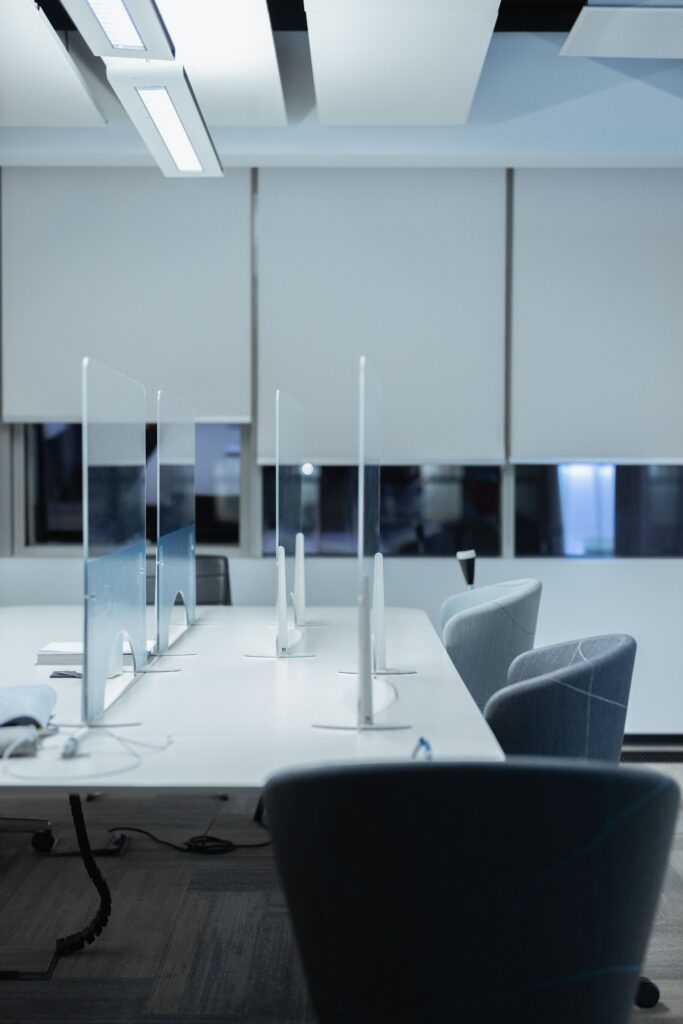
The demand for desk privacy divider panels is spiking as more people work remotely or in open-plan offices. As of 2024, the room-dividers and partition-panels sector had reached roughly USD 3.35 billion and is forecast to hit USD 5.4 billion by 2035. This surge is driven by the shift to flexible and home-based work, the popularity of open-plan layouts, and a rising emphasis on sustainability and acoustic comfort.[1] For buyers, this means more options but also more variance in quality and honest performance.
Size and growth trends you need to know (global + regional)
The global desk privacy divider panel market is not just growing—it’s diversifying. North America led with USD 893 million in 2024, and the Asia-Pacific region claimed about 617 million USD. The freestanding PET-based divider niche stood at USD 2.34 billion and is on track to grow at 6.8% CAGR, reaching over USD 4.29 billion by 2033.[5] Meanwhile, the acoustic desk divider segment is exploding, set to grow at approximately 9.5% CAGR and hit USD 2.41 billion by 2030.[2] This means more choices for buyers, including lightweight PET panels, dense acoustic options, and modular systems specifically designed for small offices or home setups.

What acoustic dividers realistically do — measurable performance limits
Let’s get straight to the numbers. Most acoustic desk divider panels for home offices only reduce noise by about 2–6 dB.[8] High-density panels—using dense fiber or mineral wool—can absorb up to 90% of incident sound and halve reverberation time, making spaces sound less echoey. However, don’t expect total silence: sound will travel over, under, or around most panels if there are gaps or if the panel is too short. For context, full-wall treatments or ceiling-mounted products are much more effective for blocking sound, but take up space and are rarely practical in home offices.
Why many acoustic desk dividers under-perform (the common failure modes)
Common complaints from real-world users include:
- Gaps at the floor, desk edges, or between panels let noise leak—think of sound like water, seeking the tiniest gap.
- Panels that are shorter than 140 cm or don’t stand at least 60 cm above the work surface simply let noise pass overhead.
- Low-density materials (thin PET felt, cardboard, light foam) offer little more than visual privacy—acoustic blocking requires real mass and density.
- Flimsy mounting systems, flexing frames, and poor edge seals also compromise results, leading to unsatisfying performance and negative reviews.[4]
Fixes? Opt for dense-core or multi-layer designs, check edge-to-edge sealing, and avoid screens mounted with visible gaps at the floor or desktop. It’s wise to steer clear of bargain-bin models that feel lighter than your laptop—they’re probably not built for real noise control.
Materials & construction — which materials perform best for noise reduction
Here’s how the main options stack up for desk privacy divider panel buyers:
| Material | Absorption | Blocking | Weight | Sustainability | Flammability | Durability |
|---|---|---|---|---|---|---|
| PET (recycled polyester) | Good | Modest | Light | Excellent | Low/Med (varies) | Good |
| Foam Core | High | Low | Light | Depends | High | Modest |
| Mineral Wool | Excellent | Good | Med | Med | High | Good |
| MDF/Solid Core | Med | Excellent | Heavy | Poor | Med | High |
What does all this mean? Heavier, denser panels (like MDF or high-density PET) deliver higher sound transmission class (STC) ratings and better noise blocking. In small home offices, recycled PET is a strong choice for its sustainability and insulation, provided the sheet is dense enough.
Key features of top-rated acoustic desk dividers
When evaluating panels, here’s what to look for:
- Height: At least 140 cm from the floor or 60–70 cm above the desk for best acoustic effects.[8]
- Panel Thickness: Thicker and denser is better for blocking sound. Look for at least 12–24 mm of dense PET or layered construction.
- Mounting/Freestanding Options: Modular, stable feet or clamp-on systems minimize gaps and improve real performance. Check stability and fit.
- Aesthetic Finishes & Washability: Choose tough, wipeable surfaces—especially important in homes with kids or pets.
For the home office, prioritize density and fit over flashy looks. Extra features like cable cutouts, pin-board surfaces, or integrated storage can add value if you need multipurpose panels.
How features influence cost — what raises the price (and when it’s worth it)
The price of a desk privacy divider panel climbs fast with denser cores, greater panel thickness, and premium hardware. Modular, motorized, or operable systems (common in corporate offices) are even pricier. Branded acoustic treatments with proven NRC data, green certifications, or built-in fire protection cost more but typically deliver better results and peace of mind for office managers.
Home-office users will often find good value in solid, mid-density PET panels without excessive branding. For open-plan offices or long-term investment, premium features are often worth it for durability and higher noise control.
The booming PET divider and acoustic panel markets show that people are investing more in high-performance—and higher-priced—solutions.[5]
Typical price ranges and acoustic vs. standard models — buyer benchmarks
How much should you expect to spend? Here’s a breakdown:
- Economy/Basic Visual-Only Screens: $30–60 per panel. Usually thin PET, basic clamps, minimal sound benefit.
- Mid-Range Acoustic Dividers: $80–180 per panel for denser PET, thicker construction, solid hardware. Usually 2–4 dB noise reduction.
- High-Performance Acoustic Models: $200–400+ per panel, engineered dense cores, integrated modularity, professional fits. Expect up to 5–6 dB noise reduction.
These typically cost 2–3 times more than standard visual privacy screens.
The expansion in specialized segments—like freestanding PET and advanced acoustic panels—reflects this segmentation and rising investment levels across buyer types.[2]
Common negative reviews and how to mitigate them (buyer tips + installation checklist)
Negative reviews cluster around a few key issues with acoustic desk divider home office products:
- Flimsy feel or shaky fit: Choose a model with a wide or weighted base, or secure clamp mounts.
- Tough assembly or unclear instructions: Look for detailed install guides or user videos, and avoid products with minimal hardware reviews.
- Poor acoustic results: Make sure panels are at least 140 cm tall or stand 60 cm above your monitor; seal gaps with foam tape or edge strips.
- Improper sizing for the desk: Measure your workspace before you buy, including monitor height and chair clearance.
Installation Checklist:
- Panel height: ≥140 cm or 60–70 cm above desk
- No visible floor or edge gaps
- Stable mounting or weighted base
- Panel thickness/density: Check product specs
Quick DIY tune-up: Use weather-stripping or dense foam to seal gaps between panels or above/below desk. Sandwich extra mass (books/heavy magazines) behind the panel if you need a temporary boost.
Top 3 sub-topics or user questions most competitor articles miss
- How to measure real in-room dB change (3-step home test):
- Install a free dB meter app on your phone (e.g., Decibel X for iOS/Android).
- Place your phone at ear level exactly where you’ll be sitting before and after panel install. Use a consistent spot each time.
- Have a partner clap or play steady background music at the same volume, then log the dB readout with and without the panel. A 2–6 dB drop = typical real-world result for acoustic desk dividers home office setups.
- Retrofit hack: If you already own a thin PET or visual-only panel, you can glue or tape dense foam, a heavy blanket, or extra PET scraps to the back for instant dB improvement. Adding mass and absorption works.
- Balancing fire, safety, and sustainability: Always verify fire ratings (especially in Europe and open-plan offices). PET is sustainable and often used in green products, but check if panels are certified low VOC and meet fire safety requirements for your region.[3]
If you’re upgrading your entire workspace, check these evidence-based guides:
- Ergonomic Office Chair: Cut back pain and boost comfort
- Noise Cancelling Headphones: Smart picks for home office focus
- Standing Desk Converter: Compact ways to improve ergonomics
- Sustainable Home Office Furniture: Buy smarter for health and the planet
- Ergonomic Footrest: Support your posture and comfort

Standards, safety, sustainability and ergonomic considerations for 2024
Modern buyers should look for:
- Verified fire ratings (critical for employers or European buyers)
- Material safety (low VOC, non-toxic certifications for PET or fabrics)
- Sustainability (recycled content, green procurement standards)
- For special settings (like security zones): ballistic ratings or special certifications (e.g., Screenflex offers NIJ Level 3/3a panels)[7]
Europe has stricter workplace regs than North America or Asia-Pacific, so always check local guidance if you’re buying for teams or shared spaces. For ergonomic setups, ensure that divider height and width fit your workstation without forcing awkward postures. Need complete home-office ergonomics? See our office chair comfort guide.
Quick buyer’s checklist and recommended specs for different needs
- Height: ≥140 cm off floor, or 60–70 cm above desk surface
- Density indicator: The panel should feel heavier than a laptop (ideally ≥8–10 lbs for a 140 x 60 cm PET panel)
- Best material for most small offices: Dense recycled PET or mid-density mineral wool core
- Mounting: Freestanding wide base or strong clamps, not wobbly feet
- Realistic dB expectation: A 2–6 dB improvement is typical (measure with the phone app test above)
Looking to pair your divider with other comfort upgrades? Consider a wrist-saving ergonomic keyboard or our compact desk converter guide for small spaces.
Conclusion + CTA for product comparison
In summary, the right desk privacy divider panel can deliver a realistic, modest 2–6 dB reduction in everyday noise, help cut distractions, and improve visual privacy—if you choose the right materials and follow basic installation rules. Don’t expect complete silence, but do expect a tangible upgrade over a bare desk. Ready to shop smart? Start by comparing at least three models across your price range (economy, mid-range, and high-performance acoustic), using the checklist above. Test your before and after dB levels to get proof your investment actually works.
Still have questions, or want tailored advice? Check out our case studies and side-by-side product reviews to make your next desk privacy divider panel purchase truly worthwhile!
FAQ
What is a realistic noise reduction from a desk privacy divider panel?
Expect between 2–6 dB of noise reduction for most mid-range to premium acoustic panels. That’s enough to dampen background chatter and hum, but not enough for total silence. For more, go with full-room treatments.
Does panel height really matter for acoustic performance?
Yes. For best results, the top of the panel should be at least 140 cm above the floor (or 60–70 cm above your desk). Shorter panels allow noise to pass overhead, sharply reducing effectiveness.
Are PET panels as good as other acoustic materials?
High-density PET offers a strong mix of absorption, sustainability, and durability. It’s not quite as sound-blocking as solid MDF or mineral wool but is lighter and more eco-friendly for home use.
How do I measure if my divider is working?
Download a phone dB meter, run a consistent source of sound, and compare readings before and after installing the panel at your work seating position. Track for a real-world 2–6 dB drop.
Can I retrofit a basic panel for better sound control?
Yes! Attach dense foam or add extra layers (old towels or additional PET) to the back of your panel. Sealing side/floor gaps with foam strips can improve acoustic performance for cheap.