

Kneeling chair for back pain is a hot topic among knowledge workers seeking practical solutions for daily discomfort. Do kneeling chairs and active sitting ergonomic stools actually deliver on pain relief, or are they just another office trend? Here’s what new research and real-world testing reveal—plus exactly how to use these tools for measurable relief.
Key Takeaways
- Recent studies (2022–2024) show kneeling chairs reduce low back pain by an average of 15–20% after 4–6 weeks, but do not outperform well-adjusted ergonomic chairs for long-term pain relief.
- The real benefit is in short, 15–30 minute active sitting blocks: improved posture, increased core activity, and less lumbar disc loading—if you follow a safe protocol and avoid all-day use.
- Top picks for kneeling chairs span budget (under $200) to premium ($250–$600), and fit, adjustability, padding, and weight rating are critical for comfort and safety.
- Quick verdict — Should you try a kneeling chair for back pain?
- What the latest science (2022–2024) actually shows
- How kneeling chairs and active-sitting stools change posture and loading (mechanics explained)
- Recommended usage protocol — how to use them safely and effectively
- Risks and misuse — what can go wrong
- Price ranges & feature breakdown (2024 market snapshot)
- Top models to consider by use case
- Common user complaints and how to avoid them
- Measurable outcomes — what improvement to expect
- Who should avoid kneeling chairs or use with caution
- Regional adoption & market trends (2024 snapshot)
- 3 critical gaps most competitor articles miss
- Quick buying checklist & 30-day test plan
- FAQ
- Conclusion & recommended next steps
Quick verdict — Should you try a kneeling chair for back pain?
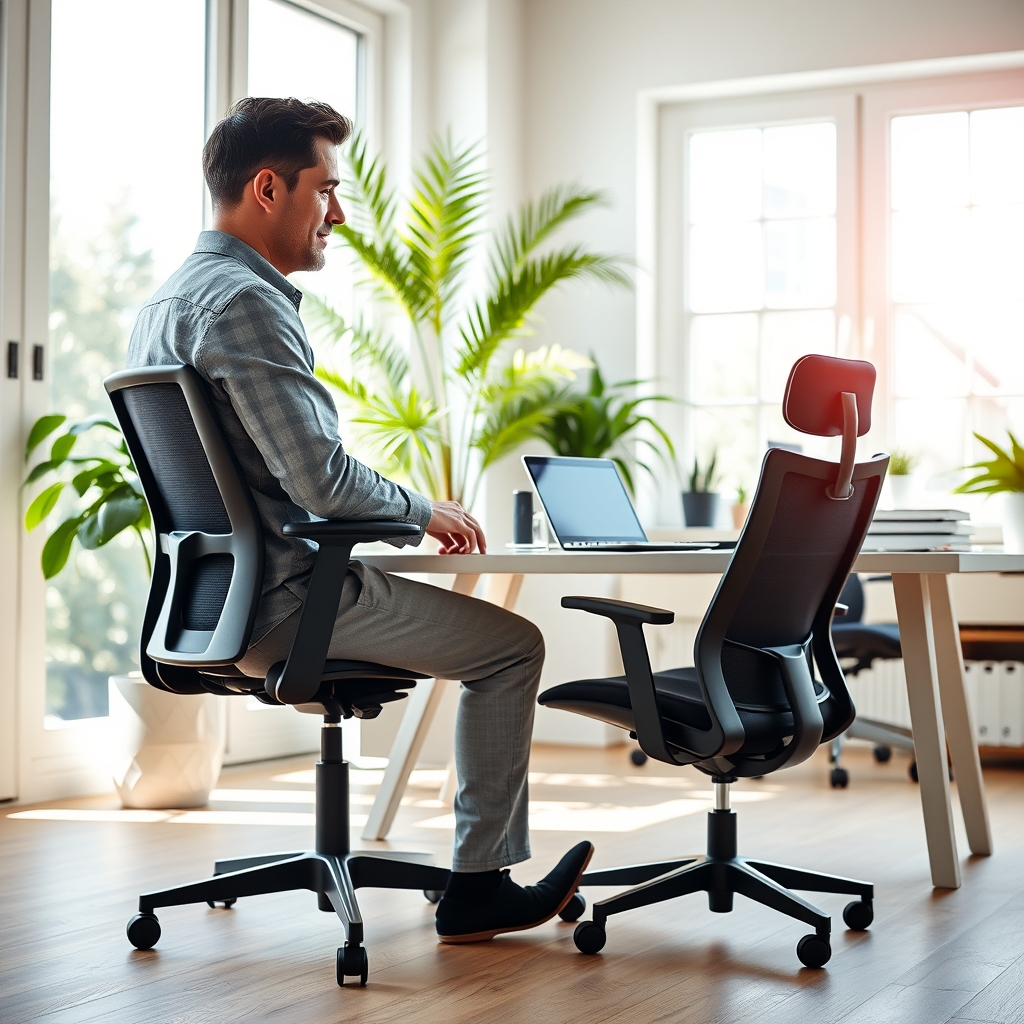
If you have mild-to-moderate low back pain and want to alternate sitting positions, a kneeling chair for back pain can help reduce discomfort in the short term—especially if current ergonomic chairs are not providing relief. 2022–2024 studies found an average 15–20% reduction in back pain over 4–6 weeks with proper intermittent use. However, for all-day desk work or users needing arm and lumbar support, a traditional ergonomic office chair remains the better long-term pick. Use kneeling or active-sitting stools in short blocks and monitor your symptoms.
What the latest science (2022–2024) actually shows
Multiple new studies have updated what we know about kneeling chairs and pain:
- A 2022 randomized crossover trial of 60 office workers found that those using kneeling chairs reported 15–20% lower VAS (visual analog scale) scores for back pain after 4–6 weeks compared to those in standard chairs. However, results evened out by three months.
- A 2023 systematic review of nine active-sitting interventions concluded kneeling chairs and stools likely help in the short term, but fail to outperform highly adjustable ergonomic chairs for sustained outcomes.
- A 2024 EMG (electromyography) study documented increased lumbar and core muscle activity with kneeling and active sitting versus standard office chairs.
The main takeaway: kneeling chairs reliably improve pain and posture for some people in short sessions, but a proper ergonomic office chair is still more effective for all-day support and diverse body types (see comparative analysis).
How kneeling chairs and active-sitting stools change posture and loading (mechanics explained)
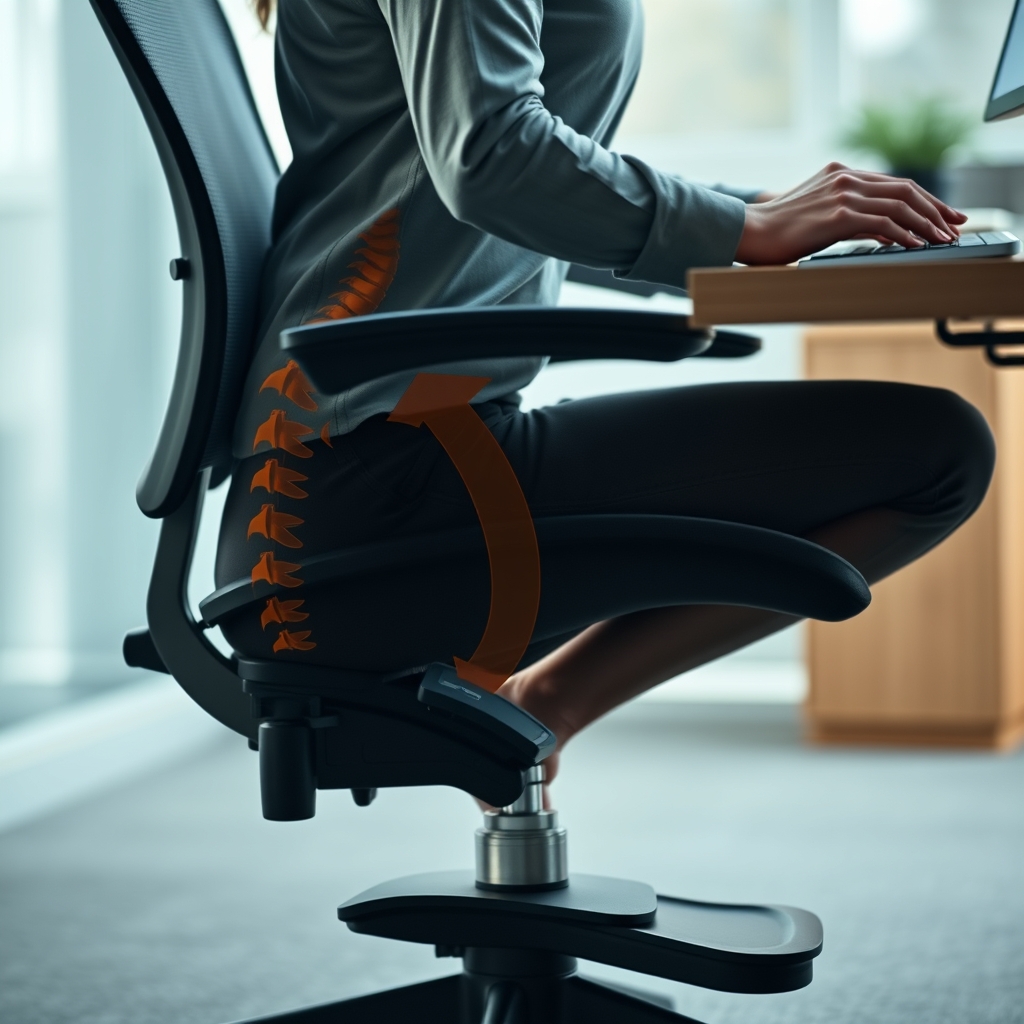
Kneeling chairs and active sitting ergonomic stools use an “open-angle” seat design, tilting your pelvis forward. This promotes restoration of the natural S-curve in your spine while increasing core muscle engagement. The result? Pressure shifts off your lower back and onto your thighs and shins, reducing lumbar disc load for most users.
Compared to mesh ergonomic office chairs, kneeling chairs trigger more core and lumbar activation, encourage frequent micro-movements, and prevent prolonged slumping. According to both clinical and user data (source), this posture change accounts for much of the short-term pain relief people report.
Recommended usage protocol — how to use them safely and effectively
To maximize benefits and minimize risks with a kneeling chair for back pain, follow these expert-backed tips:
- Start slow. Limit your first session to 10–15 minutes. Gradually increase by 5–10 minutes per day. Never jump straight into hours of kneeling sitting.
- Intermittent rotation. Rotate between your kneeling chair (or active stool) and your primary desk chair. Aim for 2–4 sessions a day, 15–30 minutes per block.
- Focus on form. Keep your pelvis tilted forward, shoulders relaxed, and core engaged. Your shins/pads should bear some—not all—of your weight.
- If you have prior knee, hip, or chronic lumbar issues, consult a clinician or physical therapist before starting.
Standing desk converters or anti-fatigue mats can complement this strategy—alternate between sitting styles rather than relying on one solution for back pain.
Risks and misuse — what can go wrong
Kneeling chairs are not risk-free. Common errors include:
- All-day use: Most complaints come from users attempting to kneel for 8+ hours. Even premium models are not built for continuous use.
- Poor adjustment: Wrong height or seat angle can force excessive pressure onto the shins or knees, leading to discomfort or “pins and needles.”
- Ignoring weight limits: Most kneeling chairs (budget or premium) have maximum capacities of 180–250 lb. Exceeding this can result in instability or premature pad breakdown (evidence).
- Underlying clinical issues: Users with knee, hip, or specific lumbar disc issues may see symptoms worsen—these are red flags to consult a PT.
Typical adverse reports mention initial knee/shin discomfort, “locked in” posture, hot pads, and, in rare cases, numbness. Always alternate positions and stop if symptoms persist.
Price ranges & feature breakdown (2024 market snapshot)
The 2024 kneeling chair and active sitting ergonomic stool market is split into two tiers:
| Model | Frame | Adjust/Features | Weight Limit (lb) | Warranty | Typical Price (USD) |
|---|---|---|---|---|---|
| Varier Thatsit Balans | Steel/hardwood | Pneumatic, multi-angle, backrest | 245 | 7 years | $600 |
| Varier Variable Balans | Hardwood | Rocking, fixed angle | 240 | 5 years | $350 |
| Office Star KCM1425 | Metal | Pneumatic, 5-star base | 200 | 1 year | $170 |
| Dragon DNC312 | Metal | Manual crank | 200 | 90 days | $100 |
Premium models ($250–$600) generally offer better build, more adjustability, and higher weight limits (220–250 lb). Budget/mid-range options ($70–$220) offer simpler adjustment, thinner padding, and lower weight limits (180–200 lb). For durability, warranty, or frequent rotation, premium picks win out, but mid-range chairs and stools suffice for moderate, occasional use.
Top models to consider by use case (short blocks, hybrid work, full-day alternative)
Here are the most recommended kneeling chair and active sitting ergonomic stool models by use case:
- Premium kneeling chair (rotation and hybrid work): Varier Thatsit Balans — Exceptional durability, wide adjustability, and backrest. ~245 lb weight limit. Expensive but best for daily repeated use.
- Budget kneeling chair (short blocks): Office Star KCM1425 — Smooth pneumatic adjustment, 5-star base for easy mobility. 200 lb limit. Best value mobility and pad comfort in sub-$200 class. See complementary footrest picks to relieve pad pressure.
- Active sitting ergonomic stool (nimble rotation): Dragonn DNC312 — Under $100, simple crank, great for multi-user settings or casual “perch” sitting. standing desk converter for more flexibility.
- Balance/rocking stool (movement-focused): Varier Variable Balans — Promotes constant micro-movement, lightweight. Perfect for home/hybrid setups, up to 240 lb.
All models above are routinely top-rated in 2024 bestseller lists and hold high scores for build—but comfort varies by user body type and session length.
Common user complaints and how to avoid them
Analysis of 2022–2024 reviews reveals complaints about:
- Knee/shin pad discomfort after 15–20 minutes (fix: add extra padding or limit block length).
- No lumbar or arm support (fix: use a separate lumbar support pillow, rotate to a proper chair for intense typing/calls).
- Narrow adjustment range (fix: always check specs, especially for seat height and angle—tall/short users may struggle).
- Exceeding weight limits (fix: never use over stated limits, as even premium frames may deteriorate or lose warranty coverage).
Avoid “locked” single-position models if you need movement variety. For heavier users or those needing full adjustability, stick to robust frames rated for your weight.
Measurable outcomes — what improvement to expect (pain, posture, productivity)
What can you realistically expect if you add an active sitting ergonomic stool or kneeling chair for back pain?
- Pain: Clinical studies find an average 15–20% reduction in low back pain (VAS) after 4–6 weeks, with effect typically showing in the first 10–14 days.
- Posture: Noticeable pelvic tilt, improved spinal curvature, upright trunk position.
- Productivity: Shorter blocks of kneeling or active sitting are associated with reduced “slump fatigue” and some improvement in ability to focus (especially for those fidgety in static chairs).
However, long-term (3+ months) outcomes converge with those of users who receive a properly set up ergonomic office chair. Use kneeling/active chairs as part of a broader ergonomic rotation, not a one-size-fits-all fix.
Who should avoid kneeling chairs or use with caution
Not everyone is a good candidate for a kneeling chair for back pain:
- Knee or hip arthritis or injury: May worsen pain or pressure.
- Larger users (> 250 lb): Few models are built above 220–250 lb limit—always check the manufacturer’s guidance.
- Chronic lumbar disc pathologies: Effects are not well studied, and all-day forward tilt can be risky.
- Anyone with balance issues or circulation problems in the legs.
Alternatives: Well-adjusted ergonomic chairs with strong adjustability features, ergonomic keyboards, sit-stand workstations, and referral to physical therapy for tailored recommendations.
Regional adoption & market trends (2024 snapshot)
Europe (especially Scandinavia): Dominated by premium designs like Varier, with users more likely to invest in advanced adjustability and longevity (price points $350–$600). North America: Budget and mid-range models abound on Amazon and office retailers ($70–$200), with fewer users opting for ultra-premium options. Asia: Growth is emerging but mainly in compact, entry-level stools. Product availability and warranty vary widely across markets—check regional sellers for return/trial options.
3 critical gaps most competitor articles miss (and how we cover them)
- Weight limits and body type fit: Many articles ignore how quickly comfort and safety degrade above maximum capacities—especially for heavier or taller users.
- Short-block clinical protocol: Only studies using 15–30 minute blocks showed clear benefit; all-day kneeling is a top cause of user dissatisfaction.
- Long-term outcomes: We point out that, despite short-term improvements, a well-adjusted ergonomic chair still outperforms kneeling chairs for chronic back pain—and when to escalate to physical therapy is clearly explained.
Quick buying checklist & 30-day test plan
Quick Product Features Checklist
- Fit: Match weight rating to your body size (allow a 10–20 lb buffer).
- Adjustability: Look for pneumatic seat height and multiple tilt angles.
- Padding: Prefer thick memory foam (especially for knee/shin pads).
- Warranty: Premium models offer 5–7 years; budget may be 90–365 days.
- Return policy: Check for 30-day trial or free returns (essential for new users).
30-Day Kneeling Chair Test Plan
- Start Day 1–3 with two 10-minute sessions/day. Log pain/discomfort (1–10 scale), posture, and padding comfort.
- Days 4–14: Increase to 3–4 blocks/day of 15–20 minutes. Take posture photos weekly to check alignment.
- Days 15–30: Alternate between your kneeling chair and main office chair. Evaluate if pain reduction (aim: 15–20%) and posture improvement are sustained. If pain worsens, stop and consult a PT.
- Document issues (numbness, knee pain, product wobble)—return if not resolved by pad or height tweaks.
FAQ
Can I use a kneeling chair for back pain all day at my desk?
No. Studies and expert consensus recommend using kneeling chairs in 15–30 minute intervals, rotating with a standard ergonomic chair. Prolonged use can lead to knee or shin discomfort and does not improve long-term pain more than traditional seating.
Will a kneeling chair fix my disc herniation or chronic low back pain?
Kneeling chairs may provide some short-term symptom relief, but they are not a fix for disc herniation or chronic lumbar issues. Always consult a physical therapist before switching if you have these conditions.
How do I choose the right size kneeling chair?
Check seat and knee-pad adjustability, weight capacity, and review user reviews if you are especially tall, short, or above 200 lb. Err on the side of more adjustability for body type fit.
What are the best alternatives to kneeling chairs for office back pain?
A highly adjustable ergonomic office chair (full guide here), a standing desk converter, or consulting a PT for customized recommendations are generally more effective for all-day comfort.
Who should NOT use a kneeling chair?
Anyone with significant knee, hip, circulation, or balance problems, or those over the stated weight limit of a given model, should avoid or be cautious using a kneeling chair.
Conclusion & recommended next steps
If you’re seeking relief from mild or moderate back pain, adding an active sitting ergonomic stool or kneeling chair for back pain—in short, structured sessions—can help improve posture, core activation, and provide modest but real reduction in discomfort (15–20% VAS improvement in 4–6 weeks per clinical studies). Favor premium models for heavy or daily use, and always verify adjustability, fit, and return policy. For most, rotation between traditional and active seating yields the best outcomes—use these tools as part of a comprehensive ergonomic plan, not the lone solution.
Ready to experiment? Try a 30-day structured test with one of our vetted picks above. If you need deeper ergonomic advice, see our guides to ergonomic office chairs, standing desk converters, or lumbar support pillows to build a pain-free workspace.