

Modular home office flooring is rapidly emerging as an essential upgrade for remote professionals seeking a ergonomic, durable, and high-ROI workspace—especially when paired with a quality anti fatigue standing desk mat. The right combo transforms your work zone, reduces physical strain, and delivers long-term comfort you can feel (and measure) every day.
Key Takeaways
- Pairing modular home office flooring with an anti fatigue standing desk mat maximizes ergonomic benefits, reduces musculoskeletal strain, and prolongs comfort during long work sessions.
- Evidence and market data show that over 30% of remote professionals are now investing in advanced flooring and mat solutions, with product demand and options rising fast year over year.
- Make your investment count by addressing common pitfalls such as uneven seams and premature mat flattening, and always check warranty, VOC certifications, and caster compatibility for best ROI.
- Quick Market Snapshot (Why this matters now)
- Step-by-Step Guide: Buying & Installation
- Advanced Analysis & Common Pitfalls
- Conclusion & Key Recommendations
- Frequently Asked Questions
Quick Market Snapshot (Why this matters now)
Hybrid and remote work have turbocharged the demand for modular home office flooring and anti fatigue standing desk mats worldwide. In 2024, the anti-fatigue mat market hit approximately US $19.4 billion with an expected 5.2% annual growth rate through 2034. The modular home-office flooring segment reached US $3.2 billion, growing at 6% annually. This surge is powered by ergonomic awareness, employer wellness incentives, and DIY trends, with rapid adoption in North America, Europe, and the Asia-Pacific markets. Over 30% of remote workers have already adopted home-office mat solutions; this is projected to hit 40% in just two years (Technavio Report).
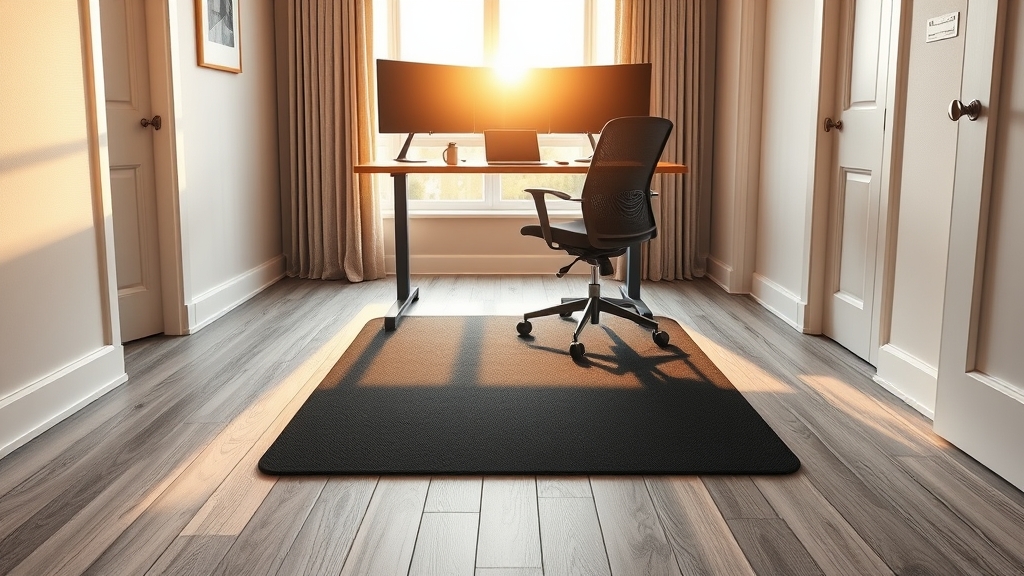
Remote professionals now expect more than just appearance from their office flooring—they want shock-absorbing base layers, acoustic benefits, and seamless compatibility with their standing or height-adjustable desks. As proven by peer-reviewed ergonomic studies, standing mats reduce strain, distribute foot pressure, and enhance overall workplace comfort and productivity.
Step-by-Step Guide: Buying & Installation
- Assess your workspace and key needs:
- Measure your office square footage (e.g., 10x12ft typical size).
- Assess if you use a standing desk (best electric standing desk tips), rolling chair, or both.
- Decide on your priority: Max comfort? Durability? Ease of cleaning? Budget?
- Choose your modular home office flooring type:
- Vinyl/Laminate click-together: Fast, durable; may have seam/edge-lifting risks with heavy caster use.
- Carpet tile: Moderate cost, good for swapping tiles if stained. Not the best under caster-heavy use.
- rubber or cork interlocks: Superior foot comfort and sound absorption, top choice for high-use or multi-person offices. More costly, but handles chairs well.
- Foam (EVA) tiles: Best for shoes-off workspaces and budget-friendly upgrades, but not recommended under rolling chairs—flattening and tearing are common.
- Select a compatible anti fatigue standing desk mat:
- Opt for mats at least 3/4-inch thick, with beveled safety edges and true no-slip backing.
- Prioritize mats with >=5-year warranty or longer. Lifetime support is common in premium lines (WellnessMats example).
- Consider VOC certifications for better indoor air quality.
- If you use a rolling chair, keep the mat clear of chair wheels or choose flooring with high resilience under pressure.
- Set your budget and compare hard costs:
- EVA foam: $2-$4/sqft (but less durable)
- Vinyl/laminate: $3-$7/sqft
- Carpet tile: $4-$8/sqft
- Rubber/cork: $6-$12/sqft
- Anti-fatigue mats: $40-$60 (budget), $80-$150 (mid), $180+ (premium polyurethane, 3/4″+, broad warranty)
- Prepare room and install:
- Clear furniture and clean the subfloor. Allow flooring to acclimate overnight if required.
- Lay underlayment (if needed for vinyl or waterproofing), then assemble tiles per instructions.
- Check seams and edge transitions carefully (edge ramps for accessibility and trip-free finish).
- Place your anti fatigue standing desk mat at your primary standing zone (in front of sit-stand desk), and verify it sits flat and does not slip.
- Test rolling chair operation, mat movement, and overall comfort before returning equipment.
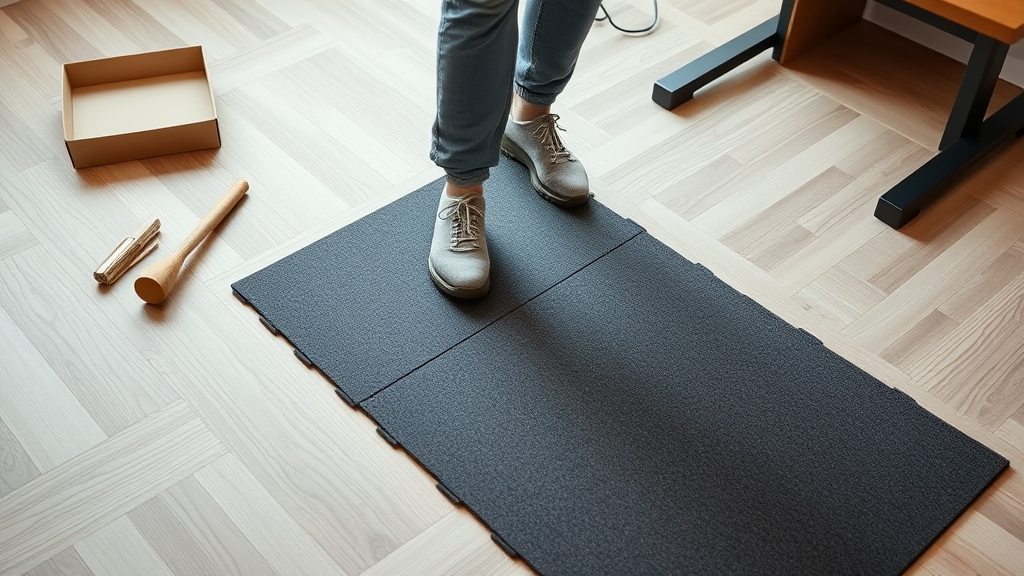
Real user insight: “My previous mat flattened in less than six months and started sliding across the vinyl tiles whenever I moved my feet. After upgrading to a heavy, beveled mat and interlocking cork tiles, my feet and back fatigue disappeared.”
Advanced Analysis & Common Pitfalls
Despite the obvious comfort gains, remote workers report persistent issues when shopping for and installing modular home office flooring and anti fatigue standing desk mat combos. Here’s what to watch out for, and how to sidestep these traps.
| Flooring Type | Common Problems | Anti-Fatigue Mat Issues | Best Use Case |
|---|---|---|---|
| Vinyl/Laminate | Edge-lifting, clicking seam misalignment, plastic feel underfoot, can be scraped by caster wheels | Mat may slip or bunch; maintain distance from rolling chairs | Budget and quick installs where rolling chair use is minimal |
| Carpet Tile | Stains easily, tile shifting, edges lift in humid areas, tough on casters | Mat doesn’t “grip” carpet well unless specially designed | Swap-friendly, soft underfoot, good for small offices without rolling chairs |
| Rubber/Cork Interlocks | Higher up-front cost, can compress under heavy furniture legs | Mat stays put best here—zero slip | High-traffic, standing desk zones, multi-user or caster-intensive spaces |
| EVA Foam Tiles | Prone to tears/flattening under chairs, absorbs odor, can “dish out” over time | Cheap mats flatten fast, trap feet, develop odor if not cleaned weekly | Barefoot, shoe-free offices on a strict budget. “Zone” use only, not for main walkways |
- User pain point: “The mat started smelling after a week and nothing got the odor out. Ended up switching to a higher-end one after reading warranty terms.”
Other top pitfalls:
- Ignoring mat thickness—sub-1/2 inch mats flatten very quickly and lose ergonomic benefit.
- Skipping compatibility checks with sit-stand desk feet and rolling chair zones.
- Not securing edges or ramps—trip hazards and tile creep are real complaints.
- Missing the cleaning protocol: many cheap foams and mats absorb stains and odors that are nearly impossible to remove.
- Overlooking warranty and VOC certifications—many low-end mats offer only 1 year and contribute to poor air quality.
For a deeper dive into ergonomic seating, check our essential guide: Ergonomic Office Chair: 7 Best Ways to Reduce Back Pain.
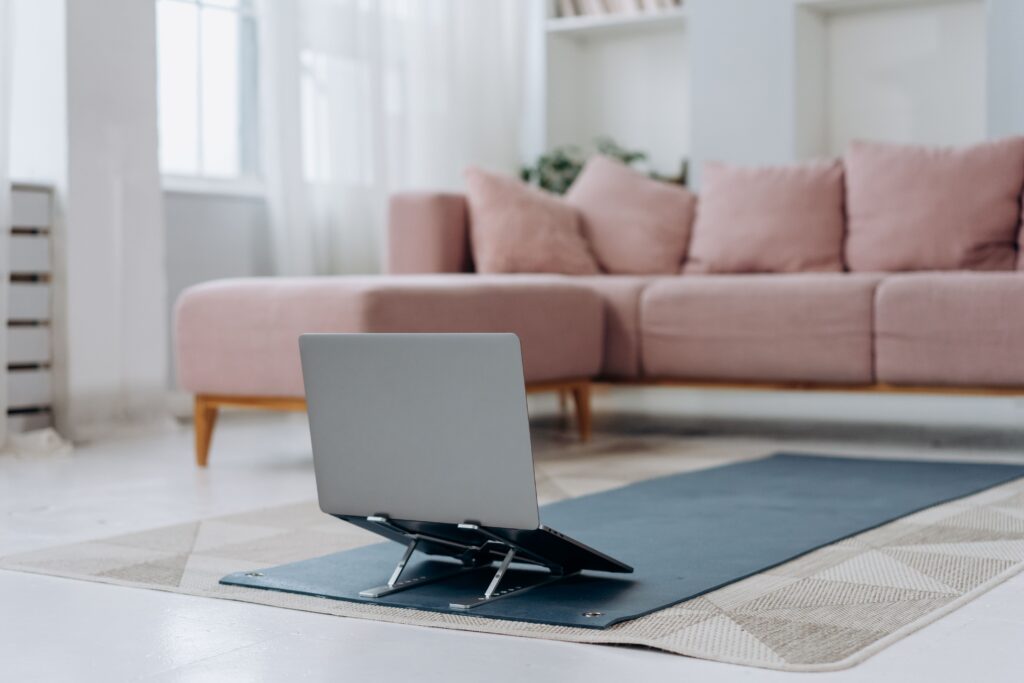
“My mat started to slip under my feet after only two months. Turns out I needed a gripper tape for my laminate floor—problem solved instantly!”
Conclusion & Key Recommendations
Choosing the right modular home office flooring and anti fatigue standing desk mat isn’t just a comfort upgrade—it’s a strategic move for productivity, durability, and long-term health. Data-backed evidence shows that the right pairing reduces strain and fatigue, lowers healthcare costs, and dramatically increases day-to-day focus for remote workers. Invest wisely by prioritizing your specific needs, carefully vetting product specs and warranties, and using installation shortcuts to avoid the most common pitfalls.
Ready to take the next step? Compare flooring options and stand on proven ergonomic ground. If you’re optimizing your whole setup, don’t miss our evidence-backed guides on the best standing desks, desk mats, and anti fatigue mats to complete your home office.
Frequently Asked Questions
What’s the ideal thickness for an anti fatigue standing desk mat in a home office?
Expert and user reviews converge around a 3/4-inch (about 19mm) thickness for flat mats. Thinner mats flatten quickly and don’t offer lasting ergonomic support. Look for this thickness as a quality baseline.
Can I use modular home office flooring with a rolling chair?
Yes, but choose denser flooring—interlocking rubber or cork tiles and thick, high-quality vinyl hold up best. Thin foam tiles or carpet are poor choices; they tear, compress, or catch wheels.
How do I prevent my mat from slipping on vinyl or laminate floors?
Use anti-slip rug tape or dedicated mat grippers at the corners and edges. Some high-end mats use advanced non-slip backings engineered for smooth surfaces, but extra anchoring helps in high-movement zones.
How do I clean and maintain these products?
Wipe down vinyl, rubber, and laminate weekly with mild soap and water. Mats should be degreased and air-dried every month, and rotated periodically to prevent uneven wear. For strong odors or stains, check warranty terms—replacement may be covered.
Are there VOC or off-gassing concerns with modular home office flooring?
Yes—always look for mats and floors with certified low-VOC or Greenguard Gold certifications to minimize off-gassing and maintain indoor air quality, especially in enclosed or poorly ventilated offices.